Inspired by botanical ingredient development in The Health Industry News, No. 1845 · 7 October 2026, pp. 41–42, with additional scientific and technical references.
The form behind the ingredient.
Powder, extract or fermented preparation: how botanical materials become ingredients for everyday formulas.
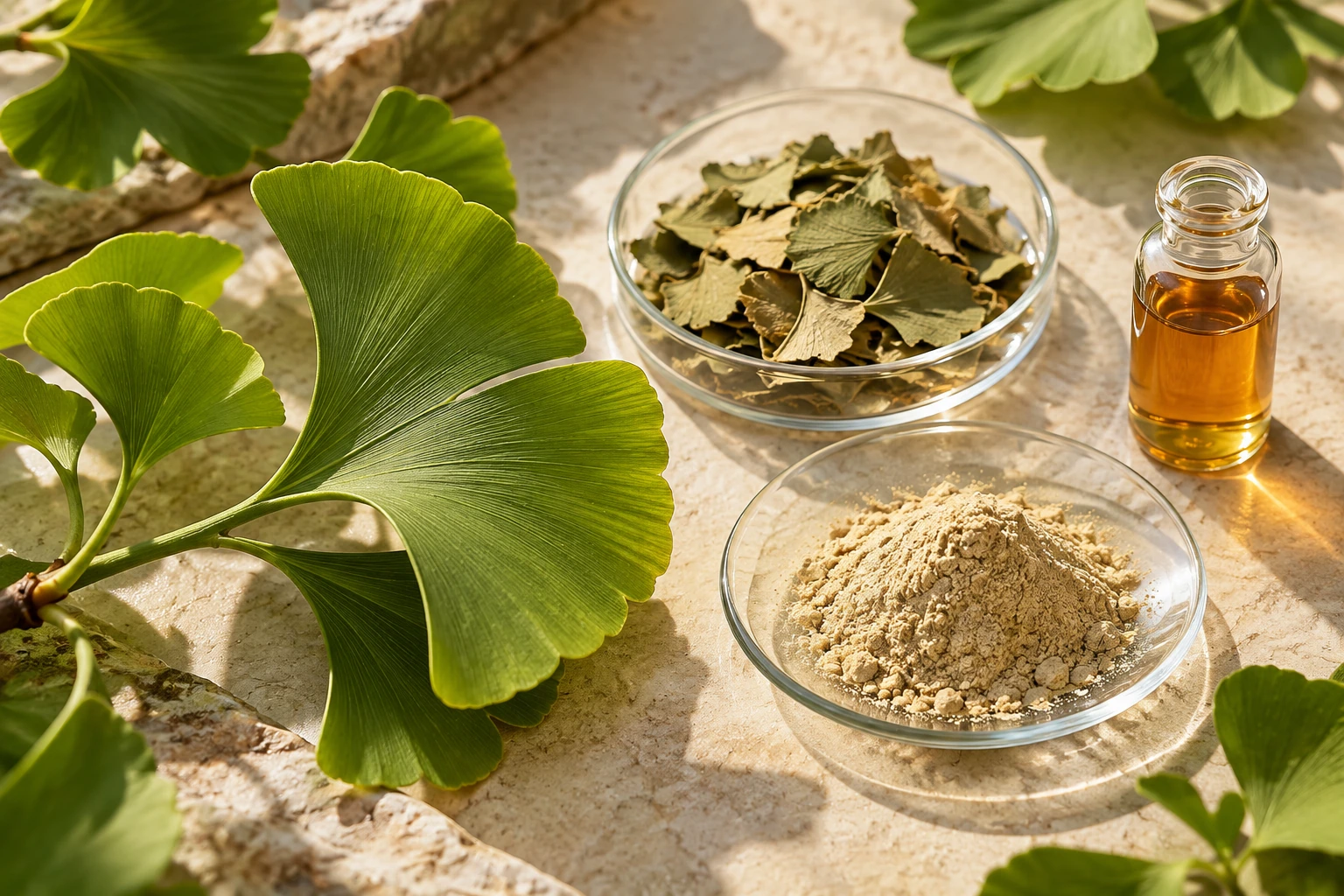
A leaf, a root or a rhizome is an ingredient story in its earliest form. Between that plant and a capsule, drink or jelly lies a series of decisions: what to retain, what to extract, how to prepare it and how it should behave in the finished formula.
These decisions give botanical ingredients their practical character. Two pale powders can look almost identical while representing very different materials. Understanding the preparation brings the plant name on a label into sharper focus.
One botanical starting point, different processes
The ingredient description should tell us which route was used. These routes may also be combined during development.
Milling
Drying and grinding reduce particle size while retaining plant material.
Extraction
A selected liquid system recovers a fraction of the starting material; the extract may then be dried.
Fermentation
Microbial processing changes the material under defined cultivation conditions.
First, identify the material
The starting point is the botanical species and the part used. A leaf, root, fruit and seed each have their own composition. Drying and milling can turn the selected material into a powder, retaining plant tissue in a form that is easier to incorporate into a product.
The word powder describes a physical form. It can refer to milled plant material, a dried extract or a preparation made through fermentation. To understand what it contains, read the full ingredient description alongside its appearance.
Extraction changes the composition
Extraction brings plant material into contact with a chosen liquid, such as water or an alcohol–water mixture, to recover selected constituents. The liquid system and processing conditions influence the composition obtained. Extraction is therefore a way of selecting from the plant’s chemistry.
The resulting preparation can remain liquid or be dried. A dry extract is still an extract: its powdered appearance does not make it equivalent to a milled leaf or root. Its identity follows the starting material, the extraction process and the composition of the resulting preparation.
Mixing is a design question
Imagine designing a small botanical drink. Alongside ingredient identity and serving amount, the development questions become practical: how does the powder wet, disperse or dissolve? Does it settle? What happens to its aroma, colour and flavour when combined with the other ingredients?
Dissolving and dispersing describe different behaviours. A dissolved substance is distributed at the molecular or ionic level; a dispersion can contain particles or droplets. Making a powder finer changes particle size, but does not by itself establish that the material will dissolve.
For a capsule, a developer might instead focus on consistent filling and the space available for the blend. For a jelly, texture and the compatibility of the ingredients become part of the brief. The chosen format gives the same botanical a different set of design requirements.
Read the numbers in context
An extract ratio describes the relationship between the starting botanical and the extract obtained. In a hypothetical native extract with a 10:1 ratio on a stated dry-weight basis, ten parts of dried starting material yield one part of native extract. That is a production relationship, not a tenfold measure of benefit.
Native extract refers to the extract portion before added carriers or other excipients. A finished ingredient powder may include these additional materials, so its total weight and its native-extract content are different pieces of information.
Standardisation answers another question. It uses specified chemical markers to help maintain a consistent composition between batches. A marker percentage describes concentration; the serving amount tells us how much of the specified ingredient is present. Together, they are more informative than either number alone.
Give the ingredient a documented identity
A useful technical profile connects the plant name and part with processing details, composition and analytical results. The US National Center for Complementary and Integrative Health asks botanical researchers to document these features, including extraction solvents, marker compounds and batch information.
Quality work also extends to identity, purity and potential contaminants. Reference materials and reliable analytical methods help laboratories evaluate ingredients consistently. Chemical standardisation is one part of that work; it does not replace the broader assessment.
This documentation also gives research a clear subject. When a study describes a particular extract, its findings belong with that preparation and the conditions in which it was investigated. A shared plant name is the beginning of a comparison, rather than the whole comparison.
Three preparations, three formulation stories
The Yotsuba collection offers several ways to explore these distinctions. Okinawa Tropical Aojiru presents green botanical ingredients in a powder drink format. Fermented Ginseng brings a fermented botanical extract together with ginger koji and fermented black garlic. Blood Sugar Support SIRTMAX® uses a specified black-ginger extract within a five-botanical capsule formula.
Each product invites a different reading of the preparation, its composition and its everyday format. The ingredient library provides another route: begin with a material, then follow it to the products in which it appears.
The craft lies in making these decisions work together. Botanical identity, processing, measurement and product design all contribute to a formula that can be clearly described and consistently made.
Explore three approaches to botanical preparation through the complete compositions in our collection.
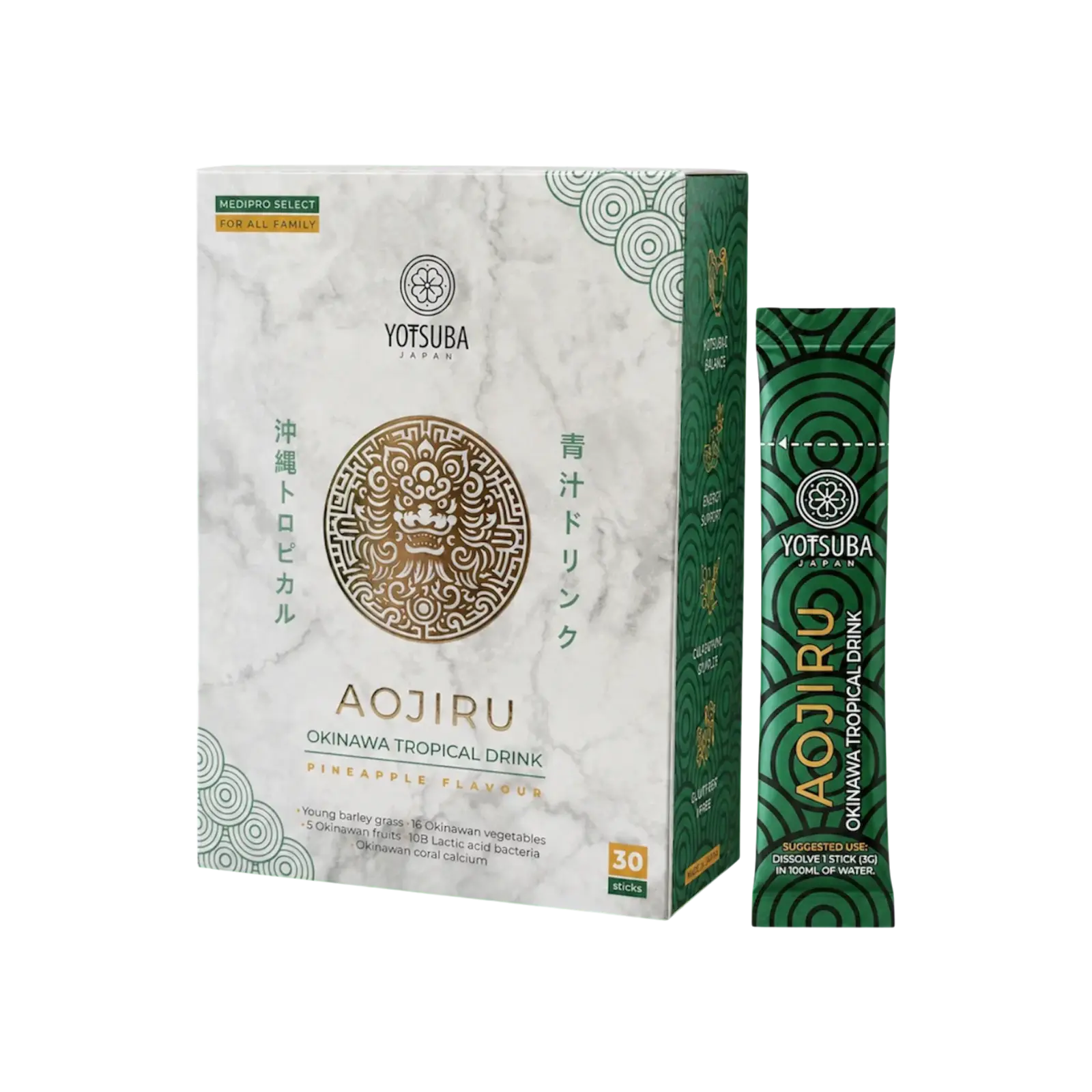
Okinawa Tropical Aojiru
Green botanicals in a powder drink format, with each ingredient’s form described in the composition.
Explore the formula ◎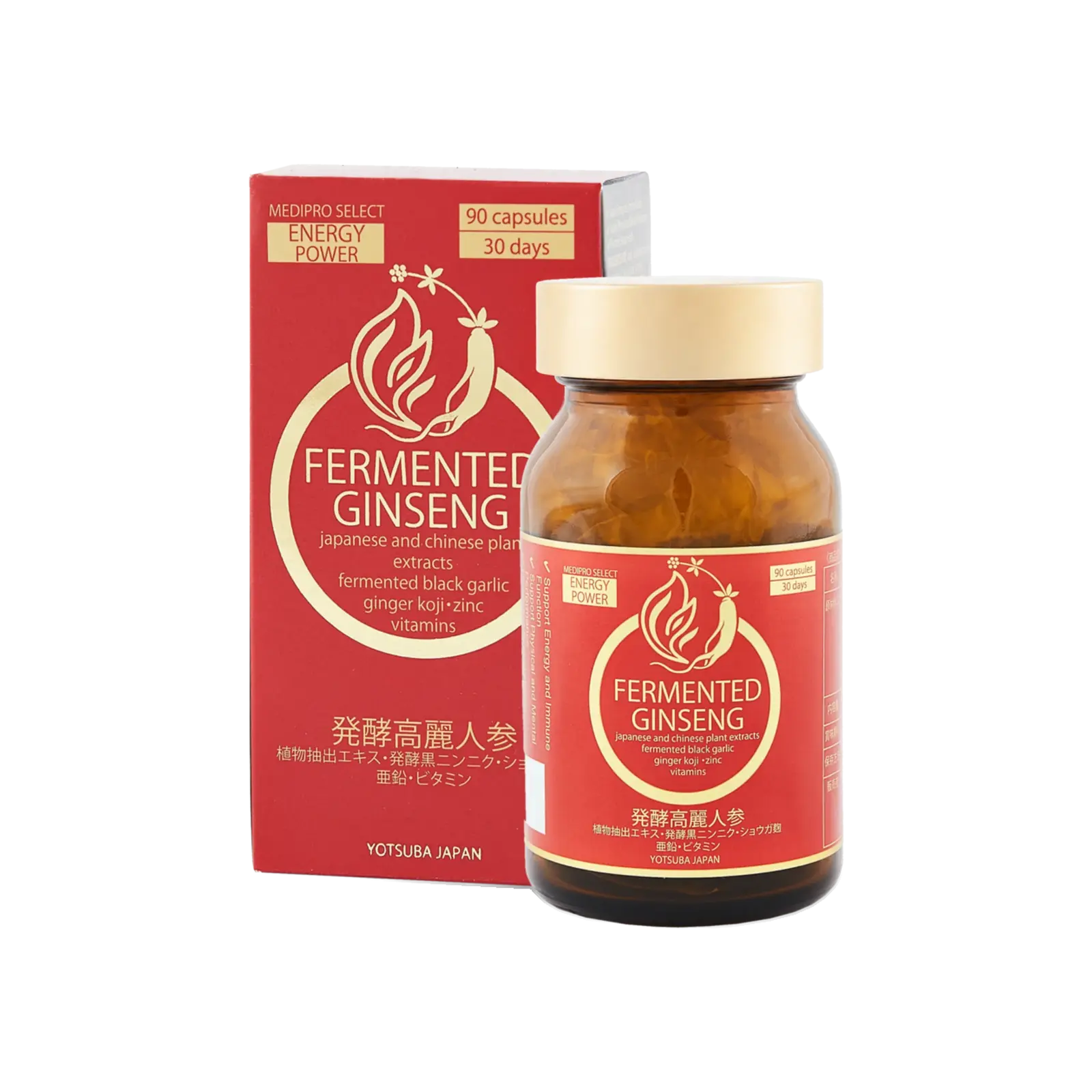
Fermented Ginseng
A fermented botanical extract with ginger koji and fermented black garlic in one capsule formula.
Explore the formula ◎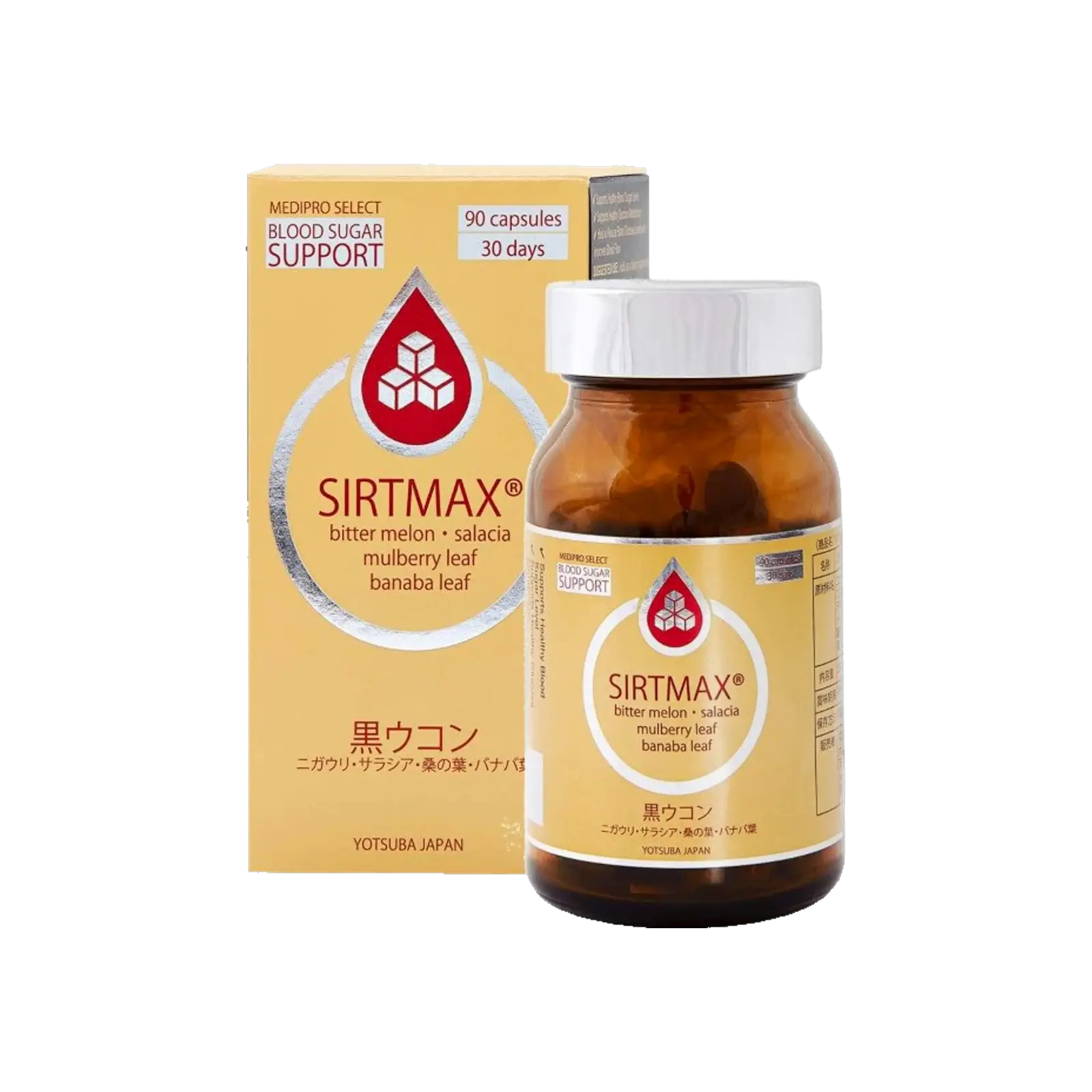
Blood Sugar Support SIRTMAX®
A specified black-ginger extract within a measured five-botanical composition.
Explore the formula ◎The references explain preparation, characterisation and measurement. TGA guidance concerns herbal medicines and is used here for technical definitions, not as a statement of regulatory approval for Yotsuba products. The 10:1 ratio is a hypothetical example, not a specification or health-effect comparison for these formulas.