YOTSUBA JAPAN / OSAKAFROM THE YOTSUBA EDITORIAL DESKThe journal
Yotsuba Japan Times

THE JOURNAL / 22 STORIES

Choose a story.
Take a closer look.

Ingredients, research and perspectives from Japan. Open the stories that interest you, and close them when you are ready to explore more.

16MATRIX SCIENCE / PROTEOGLYCANSSOURCE EDITION · 16 SEPTEMBER 2026Proteoglycans. The architecture of resilience.A salmon-derived ingredient connects skin and joint research — through molecular structure, Japanese ingenuity and new scientific questions.Read articleClose article

Based on The Health Industry News, issue 1844, 16 September 2026, ingredient documentation and scientific publications.

MATRIX SCIENCE / PROTEOGLYCANSSOURCE EDITION · 16 SEPTEMBER 2026 · 4 MIN READ

Proteoglycans. The architecture of resilience.

A salmon-derived ingredient connects skin and joint research — through molecular structure, Japanese ingenuity and new scientific questions.

Conceptual editorial still life of an ivory fibre lattice and translucent pale green hydrated membrane resting on laboratory glass
Structure and hydration · AI-generated conceptual editorial illustration. A sculptural interpretation of a matrix, not microscopy or a photograph of the ingredient.

When we think about the structure of skin and cartilage, collagen usually comes to mind first. Yet living tissue depends on a whole system of molecules: some build a strong framework, while others help organise the space between cells and hold water within it.

Proteoglycans belong to this second group. Their distinctive architecture helps explain why the same family of substances interests researchers in two directions — skin condition and joint health.

A molecule shaped like a bottlebrush

A proteoglycan consists of a protein core with long carbohydrate chains called glycosaminoglycans attached to it. Its architecture is often compared with a bottlebrush: a central backbone surrounded by many projecting chains.

These chains carry electrical charges and interact with water. In cartilage, proteoglycans function within a collagen network, contributing to resistance to compression and the ability to bear loads.

The collagen framework and the water-rich space within it together give cartilage its mechanical properties.

Proteoglycans also occur in skin, where they help organise the extracellular matrix. They form a large molecular family, with structures and functions that vary between tissues. Research on food ingredients therefore needs to identify the particular material, its source and how it was prepared.

MOLECULAR ARCHITECTURE / A CONCEPTUAL VIEW

A protein core. Many water-interacting chains.

Proteoglycan bottlebrush architectureA burgundy protein backbone with many attached sage-coloured glycosaminoglycan chains, surrounded by a pale blue hydrated region. A simplified conceptual schematic, not to scale.
  1. Protein core

    The central backbone supports the attached carbohydrate chains.

  2. Glycosaminoglycans

    Long, charged sugar chains extend from the protein core.

  3. Water interaction

    The chains help create a hydrated environment within the matrix.

An original bottlebrush schematic inspired by cartilage proteoglycan architecture. Shapes, spacing and chain numbers are illustrative; this is not an atomic structure or a model of absorption.

A Japanese story that began with local cuisine

Salmon nasal-cartilage proteoglycan has an unusual history. Researchers at Hirosaki University took inspiration from hizu namasu, a traditional dish made with thinly sliced salmon cartilage and vinegar.

According to the university, this local food inspired Professor Takagaki’s development of an extraction method using food-grade acetic acid in 1998. Collaboration between university researchers and industrial partners helped make the material available for further investigation and functional-ingredient production.

The supplied documentation describes Proteoglycan F as a dried, proteoglycan-containing ingredient obtained from salmon nasal cartilage. Behind a familiar line on a product’s ingredient list lies a sequence of technological steps: extraction, purification, standardisation and production of a powder.

TISSUE ARCHITECTURE / CARTILAGE

A framework with a water-rich interior.

Collagen, proteoglycans and water within cartilageInterwoven cream-coloured collagen fibres surround smaller bottlebrush proteoglycans in a pale blue hydrated space. The diagram explains tissue structure, not a measured response to supplementation.
  1. Collagen network

    Fibres provide the surrounding structural framework.

  2. Proteoglycans

    Bottlebrush molecules occupy spaces within the network.

  3. Hydrated space

    Water and matrix molecules contribute to resistance to compression.

A simplified, original view of cartilage matrix, not to scale. It explains a tissue relationship, without depicting an effect of an orally consumed ingredient.

Skin: from tissue structure to measurement

Studies of orally consumed proteoglycan examine specific skin parameters.

In a randomised, double-blind study published in 2015, Tatsuji Takahashi and colleagues assigned 19 adults to proteoglycan or placebo.

The authors reported improvements in selected skin-elasticity measurements compared with placebo. They also assessed hydration, surface condition and other parameters. The small sample limits the reach of the findings, but the study illustrates how an ingredient can be investigated through instrumental measurements alongside participants’ experiences.

Joints: what the 2024 study added

A more recent Proteoglycan F trial appeared in Osteoarthritis and Cartilage Open in 2024. Huyen Thi Thanh Vu’s team included Vietnam’s National Geriatric Hospital, Hanoi Medical University and Japanese researchers.

The randomised, double-blind trial compared proteoglycan with placebo over 24 weeks. The test serving supplied 10 mg of proteoglycan daily: the amount of proteoglycan itself under the trial conditions.

Researchers assessed symptoms, quality of life, laboratory measures, ultrasound and knee MRI. More proteoglycan recipients met specified pain-reduction criteria. Certain MRI scores for subchondral bone — the area beneath the cartilage — also improved more in that group.

Ultrasound characteristics did not differ significantly between groups. The authors called for further research. These findings do not establish regeneration of lost cartilage.

A new direction: interaction with the intestine

In February 2026, Shintaro Hirasawa and Tomio Yabe of Gifu University investigated another question: could proteoglycan interact directly with intestinal epithelial cells? The fate of these large molecules after oral intake remains under investigation.

Using Caco-2 cells as a laboratory model, the researchers found changes in TIMP gene expression and gelatinase activity, part of the regulation of extracellular-matrix enzymes. The proteoglycan came from the manufacturer identified in the supplied ingredient dossier.

The work proposes an intestinal interaction that does not first require the entire molecule to enter the bloodstream. This is a cell study: it develops a possible mechanism, without establishing a clinical effect in humans.

RESEARCH WINDOWS / 2015–2026

Three studies. Three different questions.

  1. 2015

    Skin · human study

    19 adults · randomised, double-blind, placebo-controlled. Selected elasticity measurements; a small study.

  2. 2024

    Knee joints · human trial

    24 weeks · placebo-controlled. Pain criteria and imaging; further evaluation needed.

  3. 2026

    Intestinal epithelium · cell model

    Caco-2 cells · TIMP–gelatinase regulation. A mechanistic question, not a human trial.

A guide to study designs and endpoints. Years indicate publication dates; the cards do not rank effects or compare treatment benefits. Original papers are linked below.

One ingredient, three Yotsuba Japan compositions

Within the Yotsuba Japan collection, proteoglycan-containing ingredients appear in three products with different formulation directions.

N-Acetylglucosamine combines it with N-acetylglucosamine, undenatured type II collagen, knotweed extract and MSM. Here, proteoglycan forms part of a composition focused on joints and mobility.

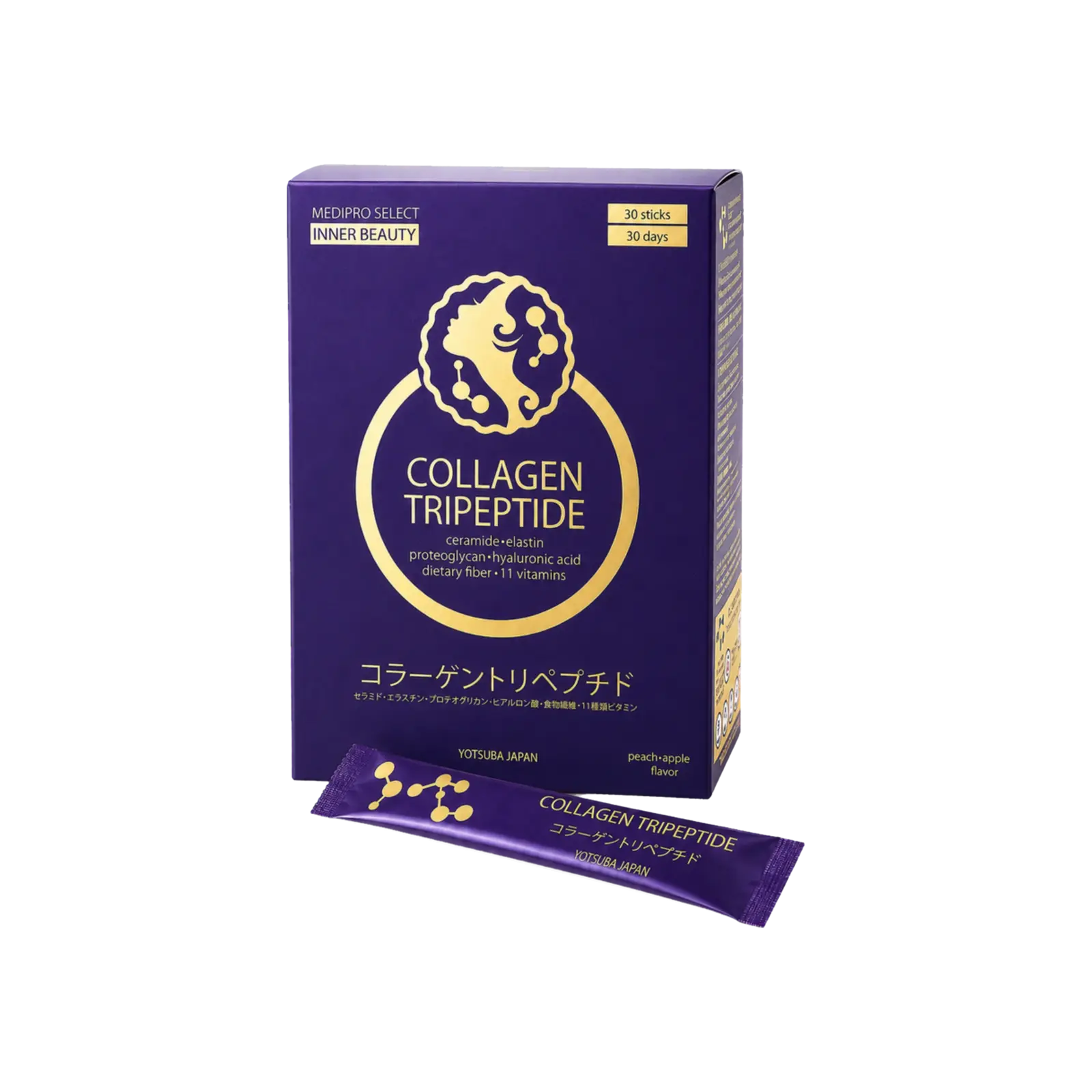
Collagen Tripeptide brings proteoglycan together with collagen tripeptides, hyaluronic acid, rice ceramides, fish elastin and vitamins. In this formula, it belongs to the beauty-from-within direction.

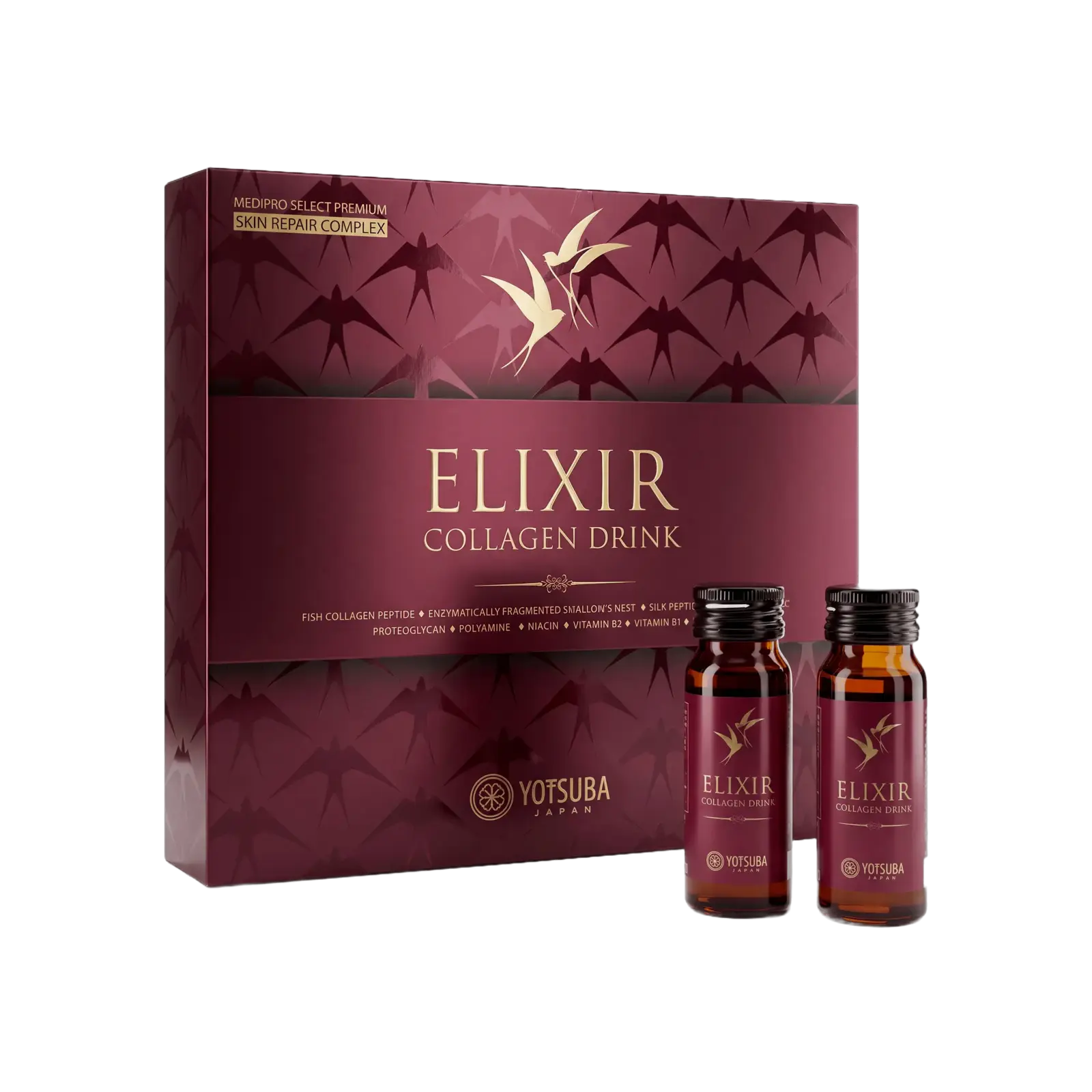
Elixir Collagen Drink combines salmon proteoglycan with fish collagen peptides, swallow’s nest, silk peptide and selected beauty ingredients.

Proteoglycan connects the three compositions while each retains its own character. This is what makes proteoglycans so interesting: their architecture, origin, preparation and the specific questions researchers continue to ask.

THE YOTSUBA COLLECTION

Proteoglycan-containing ingredients appear in three distinct Yotsuba Japan compositions. Explore the complete formulas.
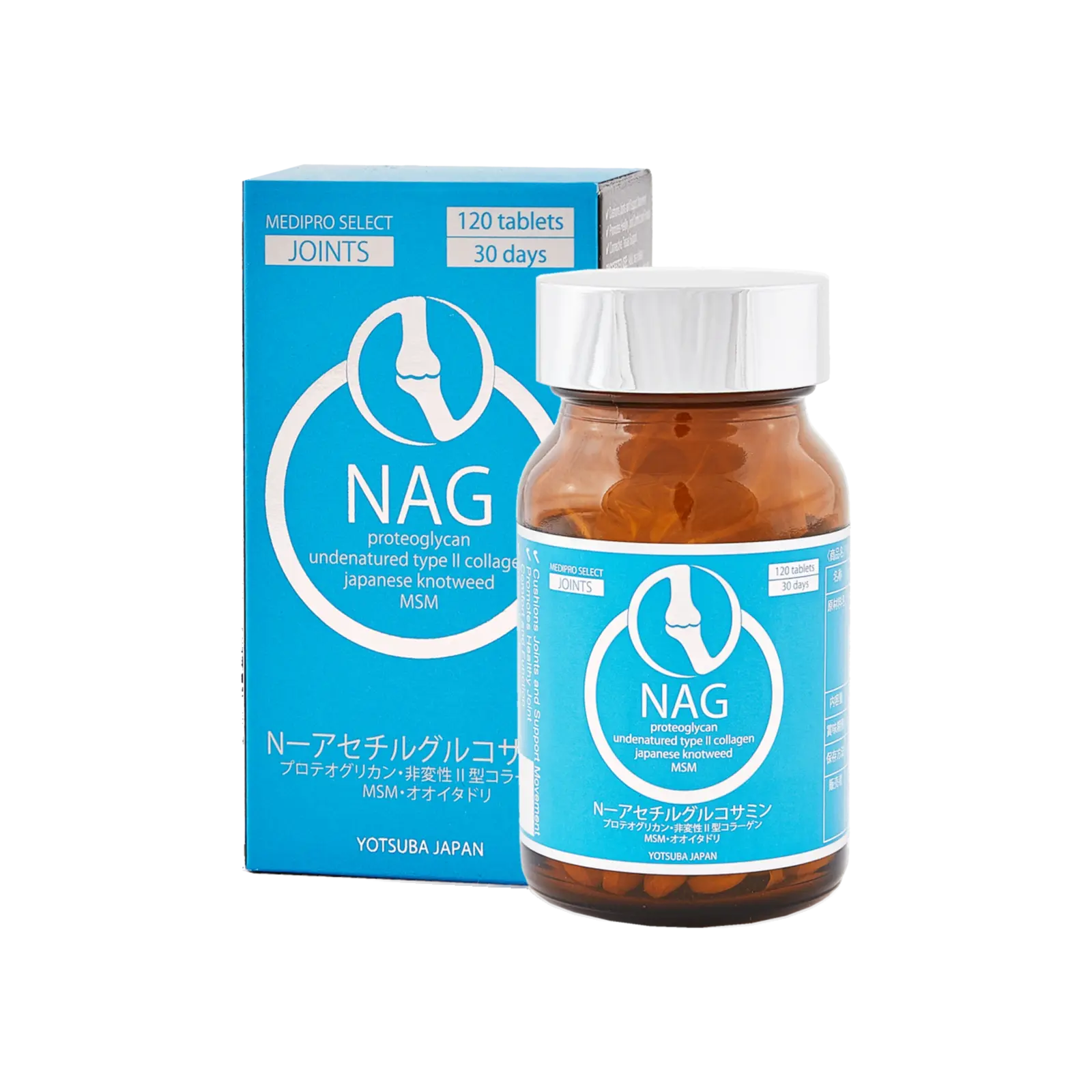
The newspaper also presents other commercial proteoglycan preparations. The ingredient context here follows the supplied Proteoglycan F dossier. The 2026 paper identifies the same manufacturer, without establishing an identical commercial grade. Ingredient research is distinct from testing these complete Yotsuba formulas. Study amounts refer to the specified test material, not a product serving.
END OF ARTICLE
17EVENING SCIENCE / GABA & GLYCINESOURCE EDITION · 16 SEPTEMBER 2026Sleep begins before we close our eyes.GABA, glycine and Venetron® — the transition towards rest, and the research behind an evening formula.Read articleClose article

Based on The Health Industry News, issue 1844, 16 September 2026, ingredient documentation and scientific publications. Updated with the 2025 Venetron® trial and NIH sleep guidance.

EVENING SCIENCE / GABA & GLYCINESOURCE EDITION · 16 SEPTEMBER 2026 · 6 MIN READ

Sleep begins before we close our eyes.

GABA, glycine and Venetron® — the transition towards rest, and the research behind an evening formula.

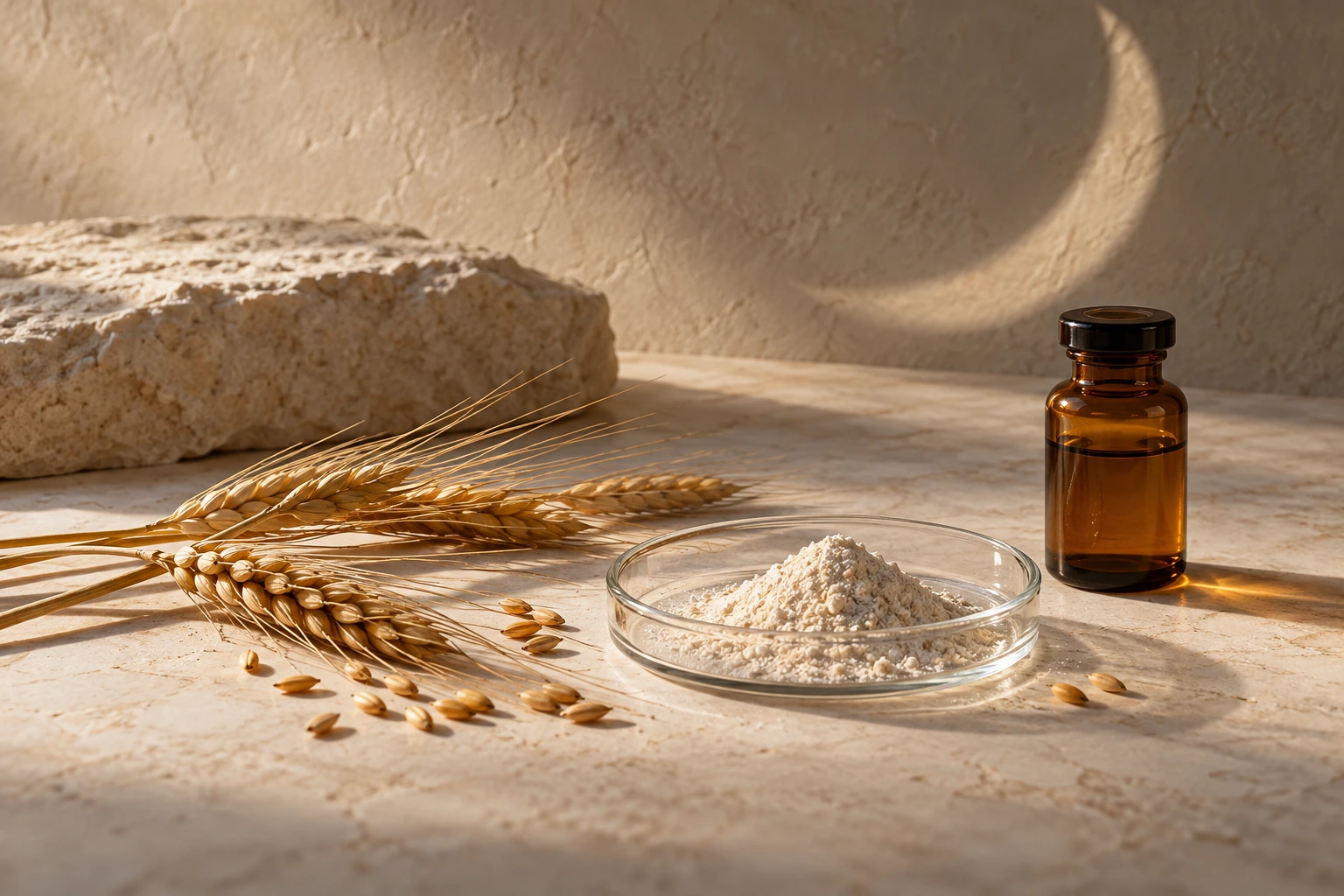
Editorial still life of barley, pale powder in laboratory glass and an amber vial, with a soft crescent motif on an ivory backdrop
Barley, glass and evening light · AI-generated editorial still life. The ingredient styling and crescent motif are illustrative, not a photograph of a tested sample.

The day has ended, yet our thoughts are still moving: conversations replay, unfinished tasks return, tomorrow takes shape. Even feeling exhausted does not always make it easy to fall asleep.

Care for sleep begins well before our head reaches the pillow. The time we wake up, daylight, movement, evening coffee and the habit of answering messages before bed all help shape the conditions in which we will rest.

Sleep quality cannot be reduced to a single number on a clock. How easily we fall asleep, how often we wake during the night and how we feel in the morning all matter. Enough time in bed does not always bring a sense of having rested well.

Nutrition and sleep research increasingly asks how individual ingredients might influence this transition towards rest. GABA and glycine are two examples. Their biological functions differ, and research helps identify which aspects of sleep deserve closer attention.

How quickly does someone fall asleep? How do the stages of sleep change? How rested do they feel in the morning? These are different questions, and each needs its own method of measurement.

GABA: from fermentation to sleep research

GABA, or gamma-aminobutyric acid, participates in inhibitory signalling in the nervous system. These signals help regulate the activity of neurons.

The role of GABA produced within the body and the effects of GABA taken orally are separate research questions. The mechanisms of dietary GABA remain under investigation, including uncertainty about its passage across the blood–brain barrier. Studies that directly record sleep are therefore particularly useful.

Japanese food biotechnology uses fermentation as one way to produce GABA. The raw-material documentation supplied for GABAVEN describes a process using fermented barley extract: lactic-acid fermentation is followed by separation of bacterial cells and production of a dried ingredient. A traditional fermentation approach becomes the foundation for a contemporary functional material.

INGREDIENT ORIGIN / FERMENTATION

From barley to a dried GABA ingredient.

  1. Fermented barley extract

    A barley-derived medium forms the starting point described in the ingredient documentation.

  2. Lactic-acid fermentation

    A controlled fermentation step produces a GABA-containing material.

  3. Separation & drying

    Bacterial cells are separated before the dried ingredient is prepared.

Simplified process based on the supplied raw-material documentation. A manufacturing sequence, not a clinical outcome or a claim that the final ingredient contains live bacteria.

What Japanese researchers investigated

In a study published in Japanese Pharmacology & Therapeutics in 2018, Hideki Hokazono and colleagues investigated GABA in working adults experiencing unsatisfactory sleep, fatigue and stress.

The randomised, double-blind, placebo-controlled crossover study used two-week periods of the test food and placebo. Sleep was assessed through electrical brain activity, while questionnaires evaluated mood and fatigue.

The results showed changes in individual sleep stages. Longer deep N3 sleep was observed in particular subgroups, including participants with higher initial stress or fatigue measures. This detail matters: a subgroup finding helps refine further research, but does not establish the same response in everyone.

Glycine: a small molecule, a separate direction

Glycine is an amino acid that the body produces and also obtains from food. Alongside its role in proteins, it has functions in the nervous system.

In 2007, Wataru Yamadera of Jikei University School of Medicine in Tokyo and colleagues, including researchers from Ajinomoto and the Ohta Memorial Sleep Center, published a small crossover study involving 11 adults dissatisfied with their sleep.

The study compared 3 g of glycine before bedtime with placebo. This amount describes the experimental conditions. Researchers used polysomnography to record sleep and questionnaires to assess participants’ experiences.

Glycine was associated with shorter times to sleep onset and the first appearance of slow-wave sleep, alongside improvements in some subjective ratings. The proportions of the sleep stages did not change significantly. The small sample and short observation limit the scope of the findings, but the combination of objective measurements and personal experience is informative.

Mechanisms are studied separately. Experimental work by Nobuhiro Kawai, Seiji Nishino and colleagues examined glycine in relation to thermoregulation and brain structures involved in daily rhythms. These animal findings help develop mechanistic hypotheses that require testing in humans.

HUMAN RESEARCH / TWO STUDY DESIGNS

Different ingredients. Specific questions.

  1. 2 weeks

    GABA · crossover periods

    Hokazono and colleagues · 2018. Randomised, double-blind, placebo-controlled. EEG, mood and fatigue assessments. Longer N3 sleep was reported in particular stress and fatigue subgroups.

  2. 11 adults

    Glycine · polysomnography

    Yamadera and colleagues · 2007. Randomised, single-blind crossover study. Glycine at 3 g before bedtime compared with placebo; sleep recordings and subjective ratings.

Study-design cards, not a head-to-head comparison or a recommendation to take these ingredients together. Quantities describe research conditions. Yamadera and colleagues · Original glycine study

Why the stages of sleep matter

The term non-REM sleep brings together stages N1, N2 and N3. Of these, N3 is the deep, or slow-wave, stage. An increase in total non-REM sleep does not, by itself, mean an increase in deep sleep.

A useful example is the small Japanese study by Atsushi Yamatsu and colleagues, published in 2015, which examined GABA and the Apocynum venetum leaf extract Venetron®. Researchers compared the ingredients individually, their combination and placebo.

Venetron® produced a statistically significant increase in total non-REM sleep. The study did not clearly establish an enhanced effect from combining it with GABA. This illustrates why formula research needs specific outcomes, rather than treating every change as a general promise of deeper sleep.

READING THE SCIENCE / SLEEP STAGES

Non-REM includes more than deep sleep.

NON-REM SLEEP
  1. N1

    Light sleep · the transition into sleep.

  2. N2

    A further stage of non-REM sleep.

  3. N3

    Deep, slow-wave non-REM sleep.

REM SLEEPREM

A separate stage, outside the non-REM group.

Conceptual classification, not an overnight recording. The diagram does not show duration, stage proportions or measured effects. In the 2015 Venetron® study, a change in total non-REM sleep did not establish a rise in deep N3 sleep. Yamatsu and colleagues · Study methods and results

Venetron: a larger study of sleep and stress

Venetron® is a standardised leaf extract of Apocynum venetum, known in Japan as rafuma. Its research programme explores sleep and emotional strain.

In 2025, a randomised, double-blind study was published involving 476 adults seeking improvement in self-reported anxiety and stress. For six weeks, participants received either 50 mg of the extract daily or a placebo. The authors reported greater reductions in perceived stress and self-reported sleep disturbance in the extract group than in the placebo group.

The study assessed these experiences through questionnaires. Its findings describe changes reported by participants; they are distinct from the brain-activity measurements used in the earlier studies. They concern the specific extract and conditions studied, rather than every product containing rafuma.

VENETRON / HUMAN RESEARCH · 2025

A larger trial. Self-reported outcomes.

  1. 476 adults

    Randomised, double-blind trial

    Adults seeking improvement in self-reported anxiety and stress; extract compared with placebo.

  2. 6 weeks

    50 mg extract daily

    Questionnaires assessed perceived stress and sleep disturbance. These were not EEG measurements or a trial of finished GABAVEN.

Study design, not an efficacy graph or a dosage recommendation. The results concern the specific extract and study population. White and colleagues · Original paper, 2025

How this appears in GABAVEN

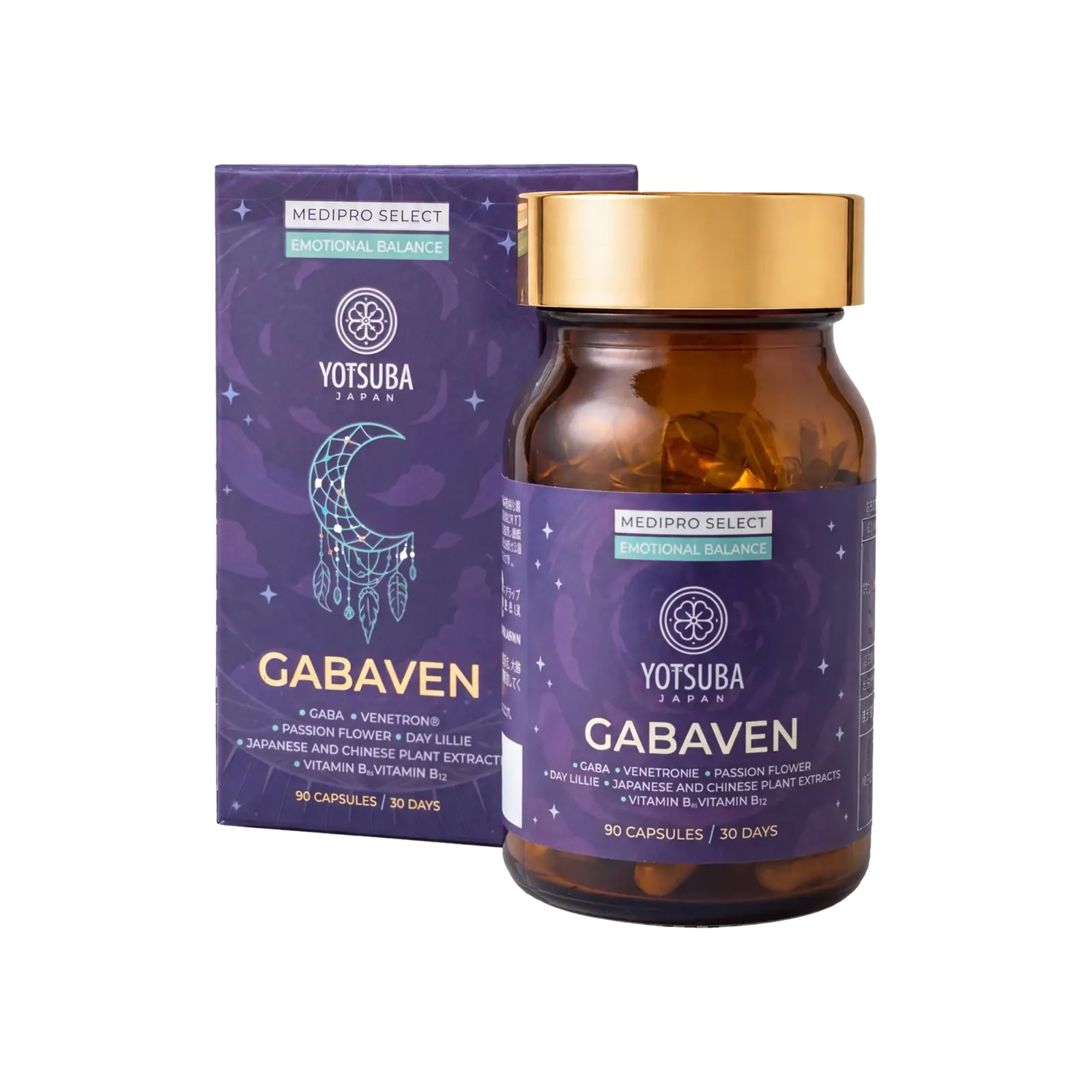
Within the Yotsuba Japan collection, GABAVEN represents the evening-balance direction. It combines a fermented barley ingredient with GABA, Venetron®, passion flower, day lily, a botanical complex with gardenia and fermented soybean, and vitamins B6 and B12.

Its ingredient architecture brings fermentation technology together with selected botanicals. Each has a story worth examining, from the origin of the material to the methods used to investigate its properties.

Glycine is a separate research direction. The studies discussed here did not test a GABA–glycine combination, so their findings help explain each ingredient individually.

Research on individual ingredients helps explain the thinking behind this combination; evaluating the finished formula requires evidence of its own.

Sleep science is built from details: time to fall asleep, electrical brain activity, the structure of overnight rest and how someone feels the next day. Those details make the conversation about recovery both meaningful and precise.

Giving the day time to end

For a contemporary formula, the plant’s origin, the standardisation of its extract and the amount included all matter. Two compositions with similar names on their labels can differ substantially. Scientific understanding begins when a familiar ingredient name can be connected to a particular material and evidence about it.

Everyday habits remain important. Regular sleep and waking times, daylight, a quieter evening and a dark, quiet bedroom provide a foundation for rest. Food supplements may be considered as additional support, while persistent sleep difficulties call for their underlying cause to be assessed.

Sometimes evening care begins with a simple decision: to leave some tasks until tomorrow and give ourselves time to bring the day gently to a close.

THE YOTSUBA COLLECTION

Explore the fermentation and botanical ingredients within Yotsuba Japan’s evening-balance formula.

Ingredient studies are presented with their individual designs and outcomes. The GABA N3 findings cited here concern subgroup analyses. The glycine study was small and short. The 2025 Venetron study measured self-reported outcomes and did not test finished GABAVEN. Animal mechanism research is identified separately. None of the cited studies tested a GABA–glycine combination.

END OF ARTICLE
18INGREDIENT ORIGINS / HOKKAIDOSOURCE EDITION · 16 SEPTEMBER 2026Hokkaido: an ingredient’s origin is only the beginning.How the natural resources of northern Japan become ingredients for modern functional nutrition.Read articleClose article

Sources: The Health Industry News, September 2026; official materials from Healthy Do and Hokkaido Research Organization.

INGREDIENT ORIGINS / HOKKAIDOSOURCE EDITION · 16 SEPTEMBER 2026 · 3 MIN READ

Hokkaido: an ingredient’s origin is only the beginning.

How the natural resources of northern Japan become ingredients for modern functional nutrition.

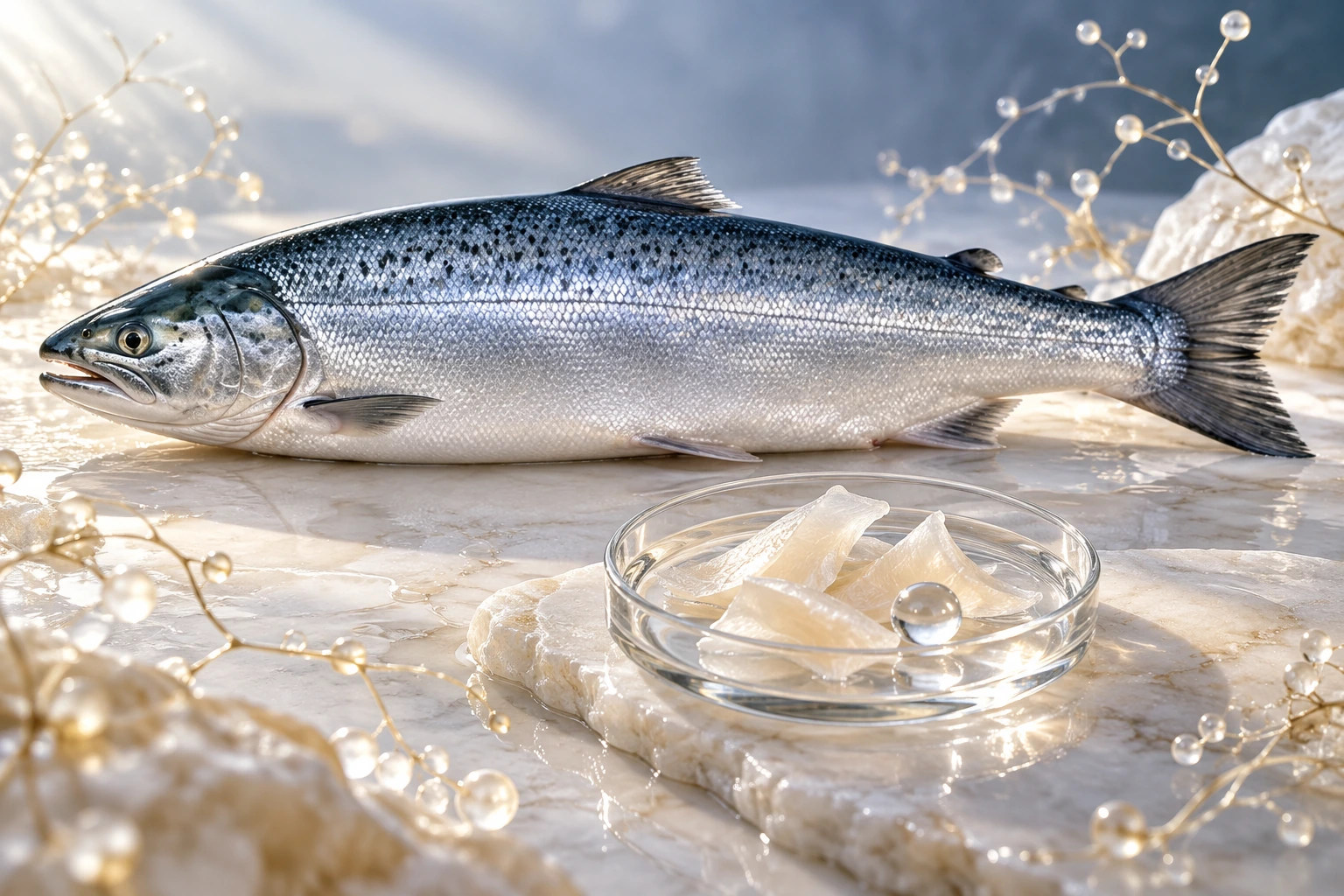
Silver salmon beside translucent cartilage-inspired material in glass with a delicate molecular-inspired network
Salmon cartilage and proteoglycan research, interpreted as a scientific still life. AI-generated conceptual editorial image.

Cold seas, open fields, seaweed and salmon: Hokkaido is known for its natural abundance. Behind that familiar image is another story, told by researchers who study local raw materials and explore new ways to use them.

A September review in The Health Industry News describes how businesses, universities and research organisations across the region are developing functional nutrition together. One result is the 178 products recognised under the regional Healthy Do scheme. At the time of publication, these products used 32 functional ingredients.

New value in familiar resources

Sometimes an ingredient’s story begins with a part of a plant that rarely reaches the plate.

Before asparagus is sent to shops, its stems are trimmed to a uniform length. In Hokkaido, the remaining portions have found a use in extract production: the raw material undergoes enzyme treatment, hot-water extraction and concentration.

Another example comes from salmon. Its nasal cartilage is a source of proteoglycans and type II collagen. The description of one ingredient in the Healthy Do programme specifically highlights freshness: the cartilage is collected and washed on the day the fish is landed.

Making fuller use of natural resources can therefore provide a starting point for developing valuable food ingredients.

From traditional fermentation to science

Some discoveries begin with familiar homemade food.

Researchers at the Food Processing Research Center of Hokkaido Research Organization isolated a lactic acid bacterium, Lactobacillus plantarum HOKKAIDO, from fermented vegetables prepared by local farmers.

Traditional fermentation opens up a field of scientific enquiry. Researchers identify microorganisms, study their properties and explore their potential applications in food production.

It is a connection often encountered in Japan: knowledge passed down through generations becomes a starting point for modern technology.

Research that readers can examine

The regional Healthy Do scheme began in April 2013. It recognises foods produced in Hokkaido that contain local functional ingredients studied in human intervention trials, with the findings published in peer-reviewed scientific journals.

For readers, this offers an opportunity to learn exactly which ingredient was studied, in what quantity, for how long and against which measures. These details help explain the significance of the results.

The region’s research infrastructure supports this work. Hokkaido Research Organization’s Food Processing Research Center conducts analyses, works on food processing and quality control, and helps businesses develop products and improve technologies.

Many decisions lie between a natural source and a finished ingredient. How should the raw material be prepared? How can the desired components be extracted? How can their composition be checked and their quality maintained?

For YOTSUBA JAPAN, these are the questions that give an ingredient’s story substance. Origin helps us understand where the story begins. Technology, quality control and research reveal its value.

THE YOTSUBA COLLECTION

Explore Yotsuba formulas containing salmon-derived proteoglycan.

RESEARCH CONTEXT

Sources: The Health Industry News, September 2026; official materials from Healthy Do and Hokkaido Research Organization.

END OF ARTICLE
19INGREDIENT DESK / OKINAWAN GREENSSOURCE EDITION · AUGUST 2026Aojiru. A new generation of greens.Okinawan plants, Japanese fermentation and a closer look at everyday green nutrition.Read articleClose article

An editorial reading of The Health Industry News, August 2026, with published research from 2013–2026. Published 29 October 2026.

INGREDIENT DESK / OKINAWAN GREENSSOURCE EDITION · AUGUST 2026 · 5 MIN READ

Aojiru. A new generation of greens.

Okinawan plants, Japanese fermentation and a closer look at everyday green nutrition.

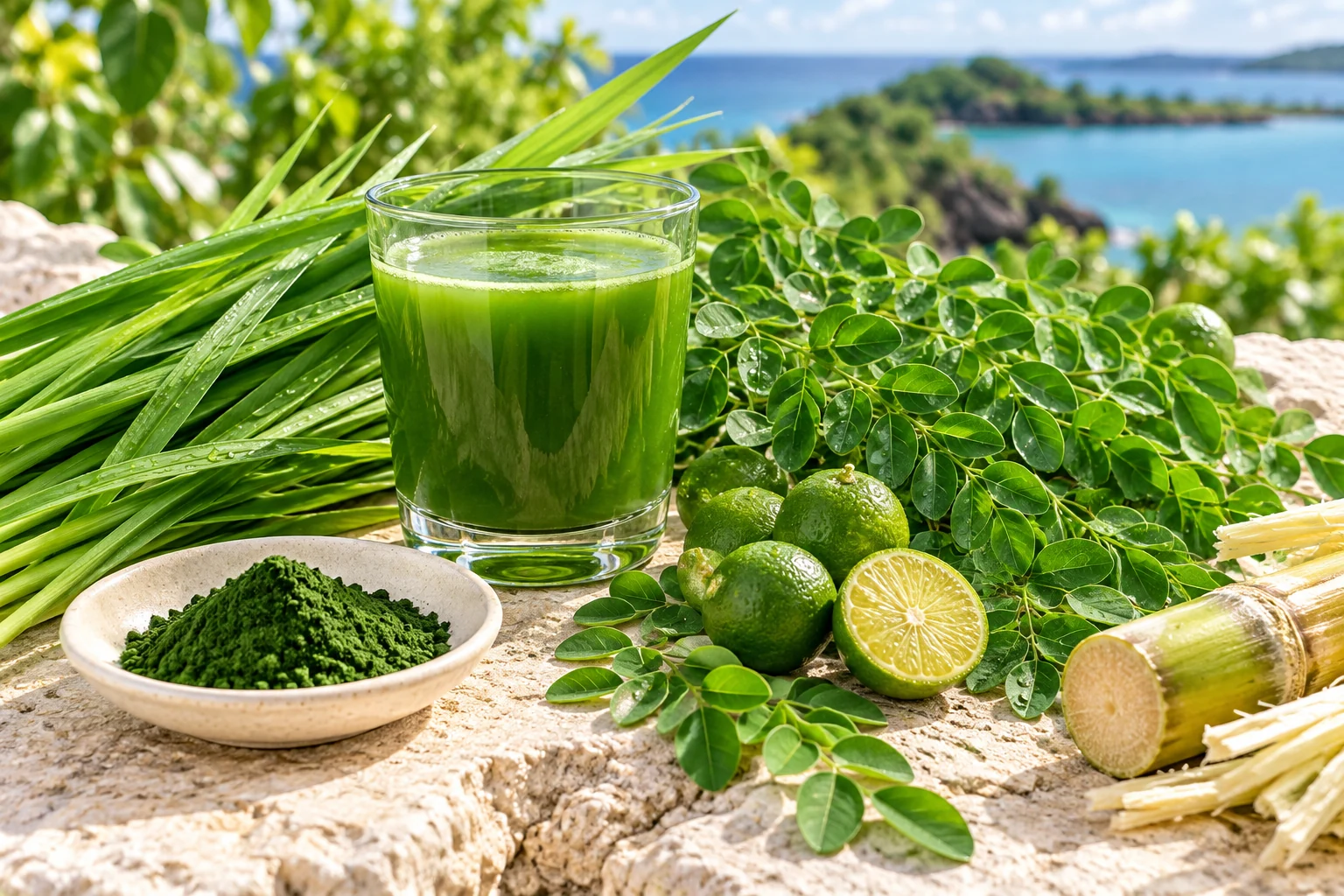
A vivid green drink surrounded by young barley leaves, moringa, chlorella powder, shikuwasa citrus and sugarcane against an Okinawan coastal backdrop
An Okinawan ingredient palette: young barley, moringa, chlorella, shikuwasa and sugarcane. AI-generated editorial still life; the arrangement does not represent serving proportions.

A glass of green aojiru is a familiar part of Japan’s food culture. Its colour may be instantly recognisable, yet the ingredients behind it can be remarkably different: young leaves, vegetables, microalgae, fruit preparations and fermented plant materials each bring their own identity.

In August 2026, The Health Industry News reported on a survey of 54 aojiru businesses. Its market coverage highlighted interest in young barley grass and moringa, alongside increasingly specific formulation concepts. This was a view of the industry, rather than a clinical assessment of a drink.

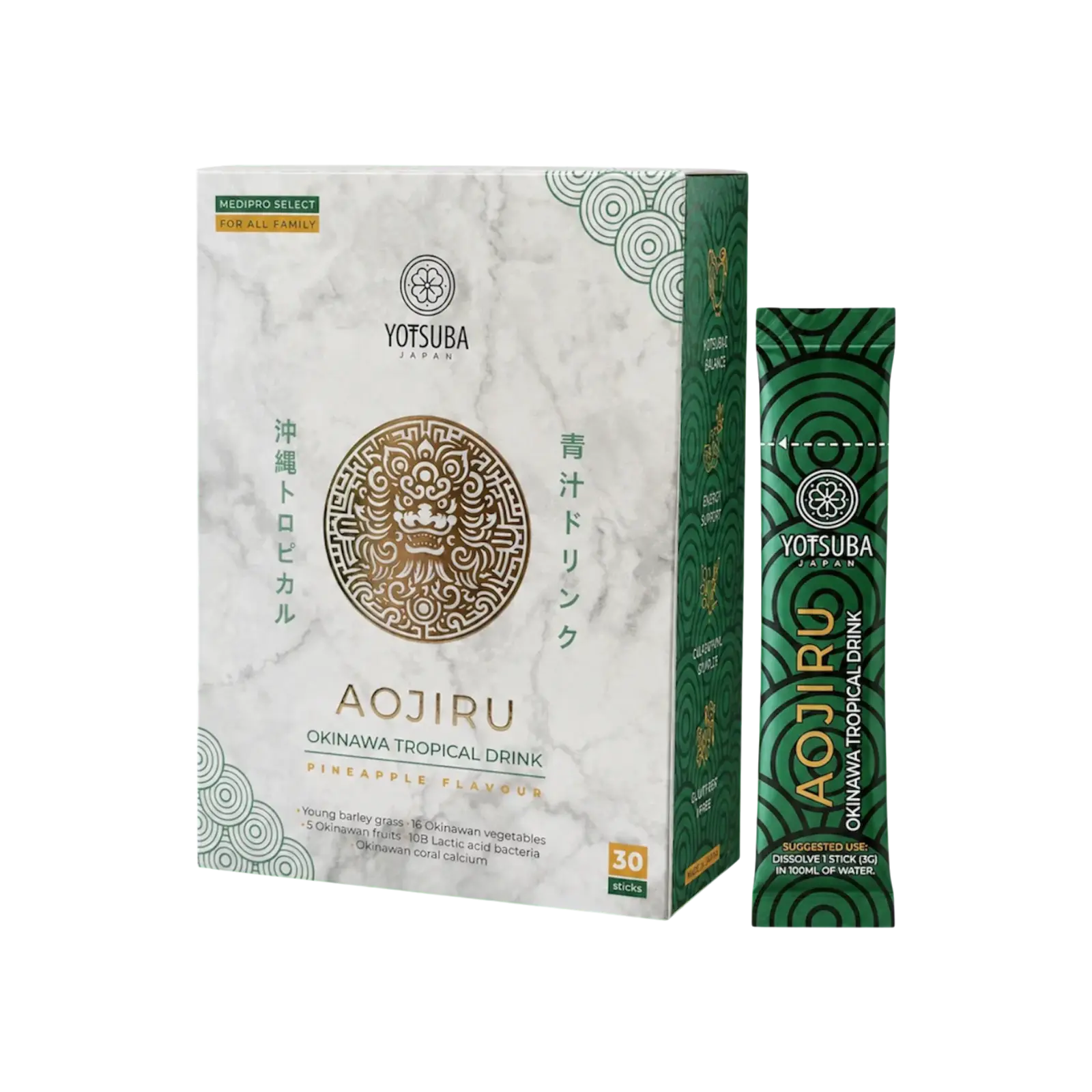
For YOTSUBA JAPAN, the interesting story begins inside the stick. Okinawa Tropical Aojiru brings together vivid greens, island-grown botanicals and selected fermented ingredients in a pineapple-flavoured daily format.

Why the young leaf matters

Young barley grass is a leaf ingredient. It has a different composition and food matrix from flour made from mature barley grain. That distinction matters when reading research: the plant part and the way it is prepared define the material being studied.

A Japanese paper published in 2013 investigated young barley leaf powder, its insoluble fibre and the viscosity of digestive contents in experimental models. In the human part of the study, a specified powder moderated the post-meal glucose rise in participants with a higher initial response; the finding did not apply uniformly across the participants.

The study used 1.5 g of the tested powder with a rice meal. Our formula declares 600 mg of young barley grass per stick. The paper helps explain why researchers examine leaf ingredients closely; it does not establish the same effect for this finished aojiru formula.

A palette that reaches beyond one green

The ingredient list unfolds in layers. Young barley grass forms the largest measured green component. A blend of 16 Okinawan vegetables sits alongside a five-fruit blend, while Okinawan moringa, Yaeyama chlorella and Peucedanum japonicum are separately declared ingredients.

This variety also raises a wider question: how does the diversity of foods we eat relate to our gut ecosystem? The 2018 American Gut study associated greater plant-food variety with differences in microbiome composition and metabolic profiles. It was an observational study, so it could not show that a particular blend caused those differences.

A multi-ingredient stick and a varied whole-food diet are different things. The appeal here lies in a clearly described combination of ingredients, while everyday meals remain the setting for dietary variety.

INSIDE ONE STICK / SELECTED PLANT INGREDIENTS

Many ingredients. One Okinawan palette.

The green foundation, the vegetable and fruit blends, and the separately declared botanicals.

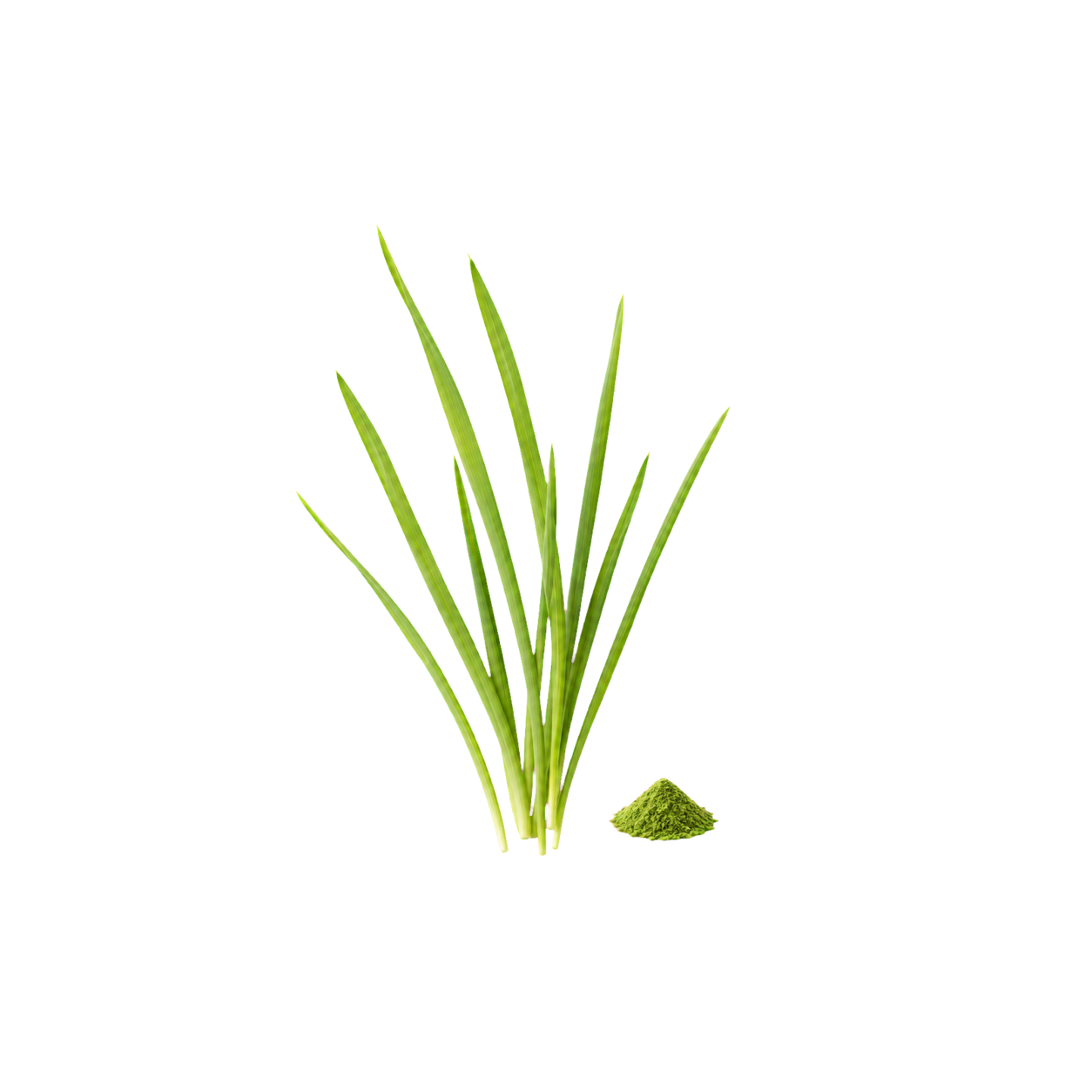
  1. Illustrative young barley leaves
    600 mg

    Young barley grass

    The young leaf forms the largest measured green component.

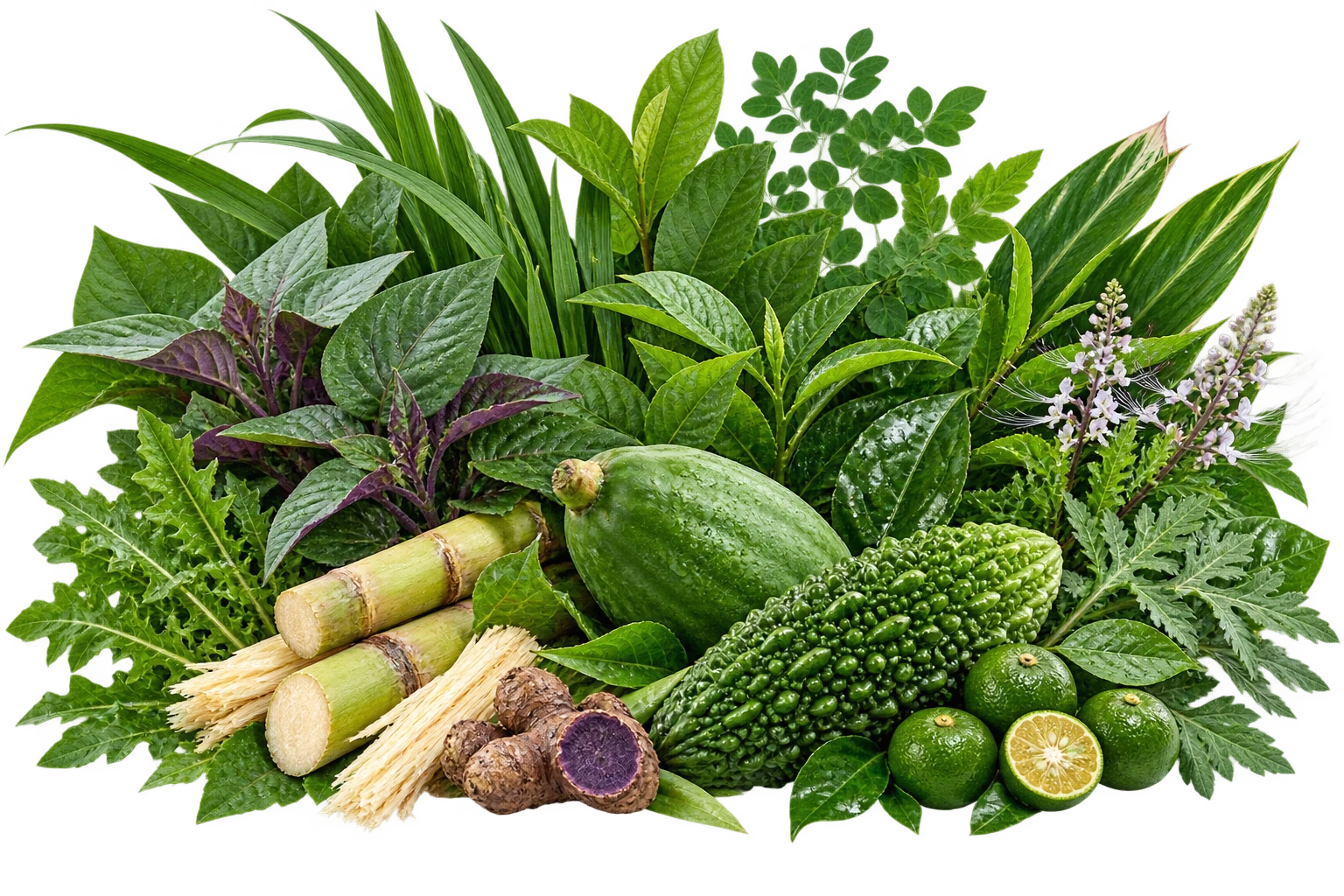
  2. Lush Okinawan botanical blend with goya, green papaya, shikuwasa, sugarcane and varied leafy greens
    150 mg

    16 Okinawan vegetables

    Sweet potato leaves, green papaya, goya and island herbs. The amount shown is for the complete blend.

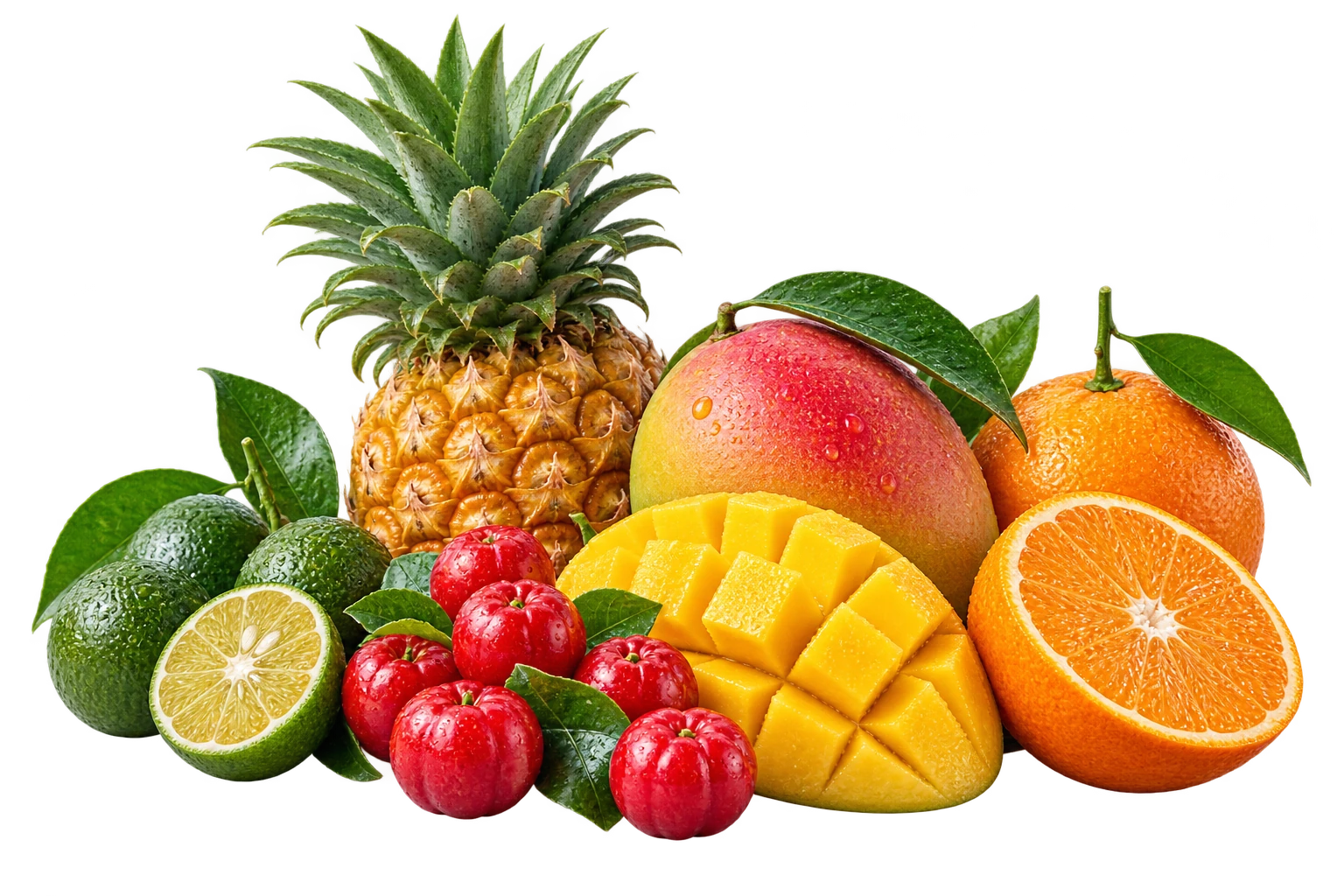
  3. A juicy Okinawan fruit composition with pineapple, mango, red acerola, green shikuwasa and orange tankan
    30 mg

    5 Okinawan fruits

    Shikuwasa, mango, acerola, pineapple and tankan. The amount shown is for the complete blend.

  4. 150 mg

    Okinawan moringa

    A separately declared island-grown botanical ingredient.

  5. 150 mg

    Yaeyama chlorella

    A separately declared green microalgae ingredient.

  6. 30 mg

    Peucedanum japonicum

    An additional Okinawan botanical layer.

Declared amounts per stick. Blend amounts are totals, not quantities per vegetable or fruit. Botanical images are illustrative; the complete composition appears on the product page.

The fermented chapter: shikuwasa and sugarcane

Small, intensely aromatic shikuwasa citrus is one of Okinawa’s characteristic fruits. Sugarcane adds another island connection. Bagasse is the fibrous material remaining after sugarcane juice is extracted; in this formula, it appears as a fermented ingredient.

Okinawa Tropical Aojiru declares fermented Citrus depressa, the botanical name for shikuwasa, and fermented bagasse. These sit alongside the separately prepared young barley, moringa and chlorella. The distinction allows us to describe the formula precisely: selected plant components undergo fermentation.

During fermentation, microorganisms transform a food matrix. The resulting material may contain transformed plant compounds and substances produced by the culture. Live cultures, prepared bacterial materials and fermented plant ingredients each have their own identity. The word “fermented” alone does not tell us which microorganisms remain alive in a finished product.

FERMENTED PLANT INGREDIENTS

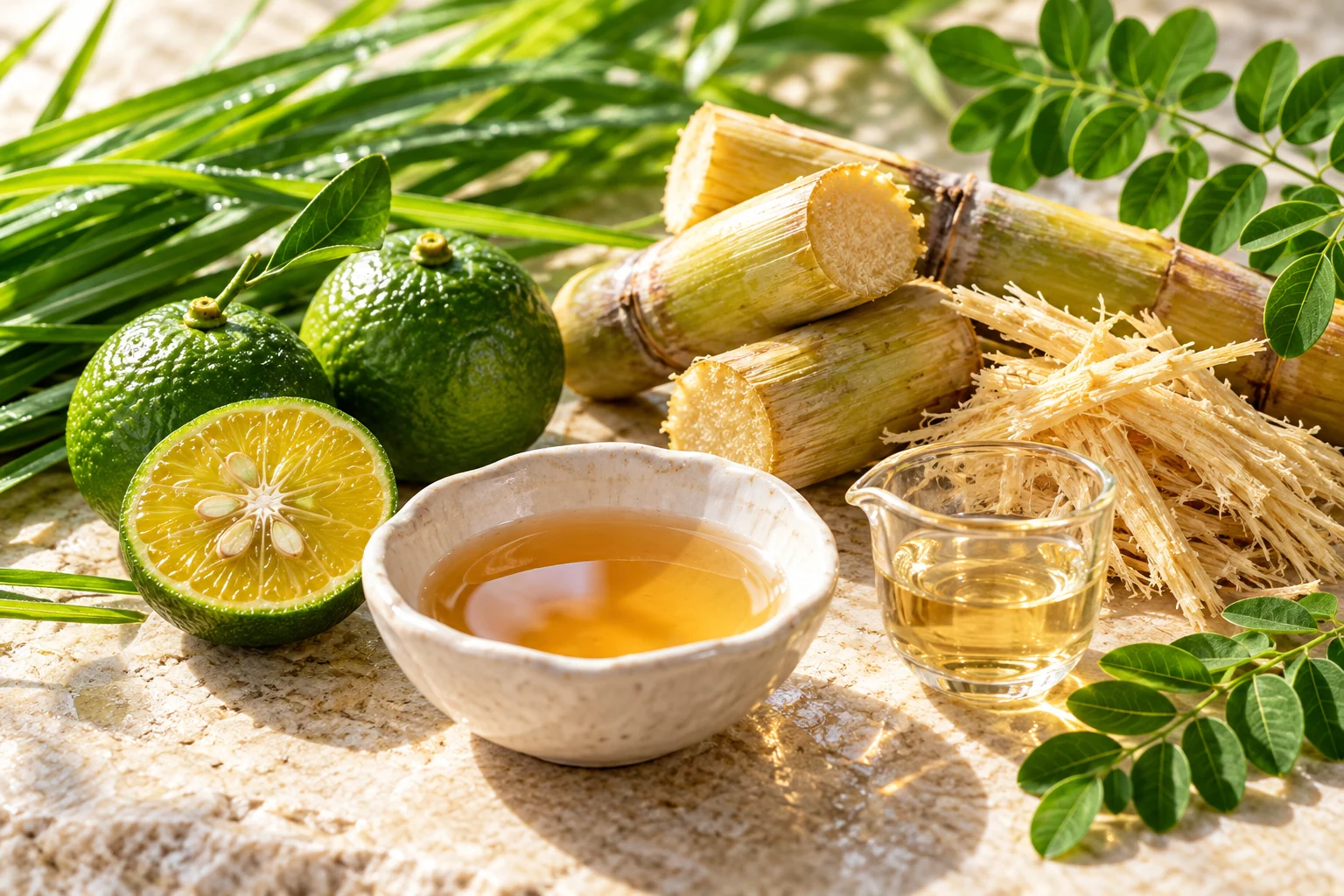
Citrus brightness. Sugarcane character.

Fermented Citrus depressa · 9 mg per stick. Fermented bagasse · 30 mg per stick.

Juicy shikuwasa halves and whole citrus beside cut sugarcane, pale bagasse fibres and amber liquid in glassware
Shikuwasa, sugarcane and bagasse, interpreted as an ingredient still life. AI-generated editorial image; the liquid is conceptual and does not document the actual fermentation process.

What microbiota research adds to the picture

A Stanford study published in Cell in 2021 compared high-fibre and fermented-food diets in 36 adults over a 17-week protocol. The fermented-food group showed increased microbiota diversity and reductions in several measured inflammatory markers.

The high-fibre group showed changes in the microbiome’s capacity to process carbohydrates, while overall microbial diversity remained stable. The primary cytokine-response outcome did not change significantly in that group. Different dietary approaches produced different measured responses.

The participants changed their diets, eating foods such as fermented dairy and vegetables. They did not take this aojiru. The research offers a useful perspective on food, fibre and fermentation, with findings that belong to the diets and conditions tested.

A Japanese research update from August 2026

New Japanese work is bringing the chemistry of the gut ecosystem into sharper focus. A paper published in Gut Microbes on 24 August 2026 examined samples from 63 healthy adults, combining vitamin measurements with microbiome analysis.

The researchers distinguished vitamins within bacterial cells from those outside them. They reported associations involving Alistipes and biotin, and Blautia and thiamine. Looking at these compartments separately helps reveal relationships that a single combined measurement can obscure.

This is analytical microbiome research. It does not measure how much of those vitamins a person absorbs, establish a vitamin-replacement strategy, or test Okinawa Tropical Aojiru. Its contribution is a more detailed way of studying what our microbial communities contain and produce.

From an ingredient palette to a daily stick

Alongside its plant ingredients, the complete formula includes a declared lactic acid bacterial component, Okinawan coral calcium and vitamin D. Hesperidin, gamma-oryzanol and black pepper extract add further specified components. Each belongs in the composition story with its own declared amount.

The declared vegetable and fruit quantities refer to their complete blends: 150 mg for the 16-vegetable blend and 30 mg for the five-fruit blend. Those figures are not the amount of each plant, and the number of ingredients is not a number of vegetable servings.

A pineapple flavour and individual sticks make the format approachable. The richer story lies in the details: the young leaf, the island botanicals, the fermented citrus and sugarcane material, and the care taken to identify each layer. Explore the complete composition and serving information below.

THE YOTSUBA COLLECTION

Young barley, Okinawan vegetables and fruits, moringa, Yaeyama chlorella and selected fermented plant ingredients. View all declared amounts and serving details.

END OF ARTICLE
20INGREDIENT DESK / IRONSOURCE EDITION · 5 AUGUST 2026Iron. Form matters.Japanese formulation, liposomal technology and a closer look at the ingredients accompanying iron.Read articleClose article

An editorial starting point: The Health Industry News, 5 August 2026. Scientific context from published research and the current Yotsuba composition. Published 30 October 2026.

INGREDIENT DESK / IRONSOURCE EDITION · 5 AUGUST 2026 · 4 MIN READ

Iron. Form matters.

Japanese formulation, liposomal technology and a closer look at the ingredients accompanying iron.

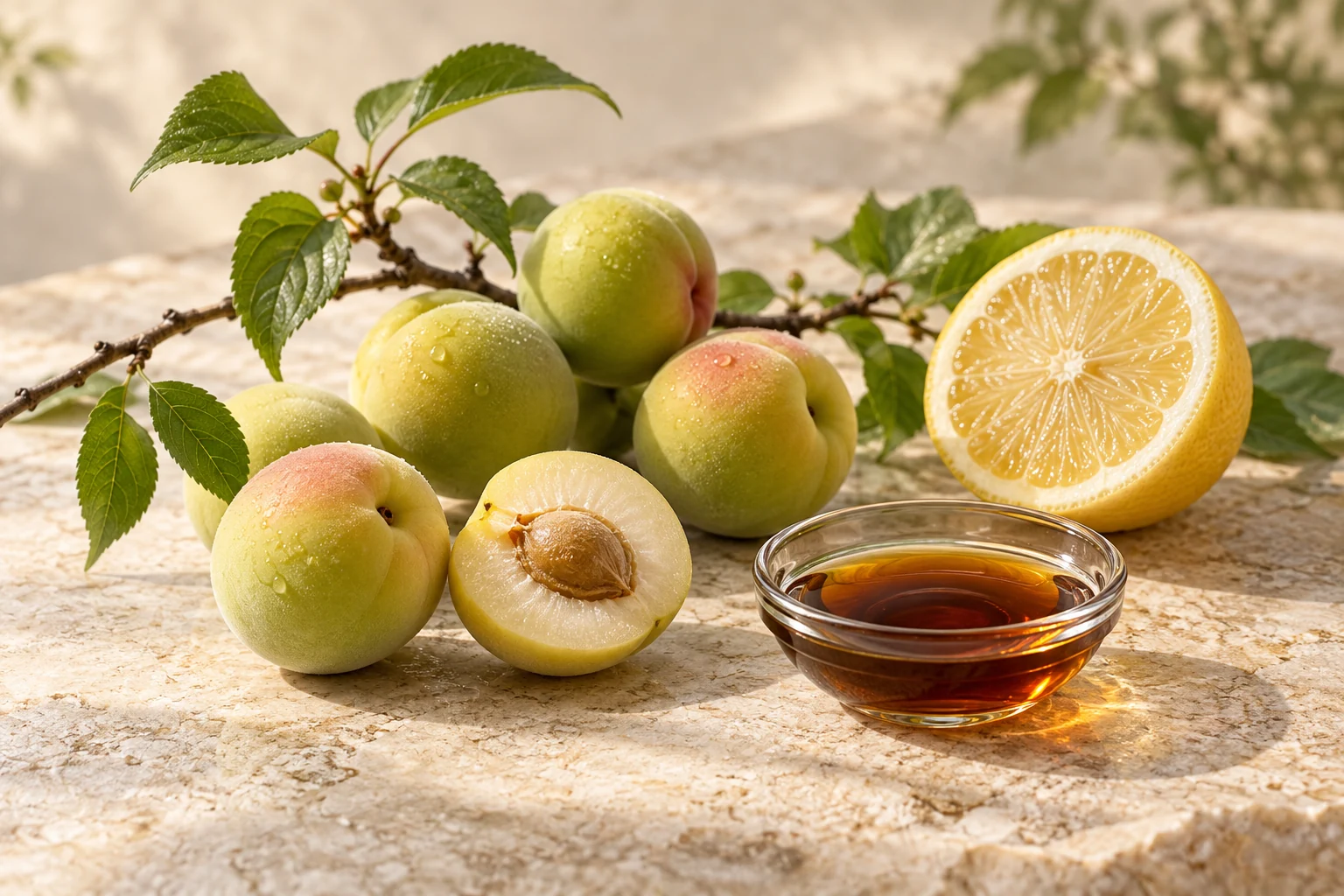
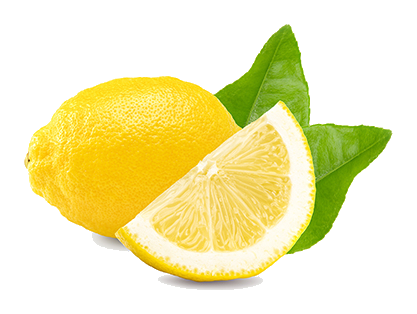
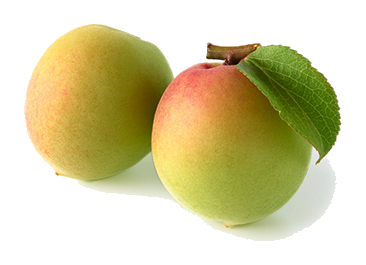
Fresh Japanese ume fruits, a cut fruit with its stone, lemon and an amber concentrate on warm ivory stone
Ume, citrus and a concentrate, interpreted as an ingredient still life. AI-generated editorial image; it does not depict the actual raw material or serving proportions.

Iron is a familiar mineral with a complex absorption story. Its quantity can be expressed as a single number on a label. Behind that number are the iron source, the preparation method and the composition of the finished formula.

An August report in The Health Industry News introduced a Japanese gummy combining iron, folic acid and vitamin B12. It offers a small example of how developers are exploring convenient ways to bring important nutrients into everyday routines.

For YOTSUBA JAPAN, this subject unfolds through a different format: liposomal iron in capsules.

Why a number alone is not enough

Iron is part of haemoglobin, which carries oxygen to tissues, and myoglobin, which helps supply muscles with oxygen. It also contributes to normal cellular functioning.

The amount consumed and the amount absorbed are different measures. Ingredient form, the surrounding diet and the body’s iron status can influence absorption. Equal milligram amounts therefore do not necessarily produce equal outcomes.

Liposomal technology: attention to structure

A liposomal approach uses a lipid structure around an iron-containing ingredient. The formulation story includes both the mineral and the way its delivery is organised.

Researchers have investigated specified liposomal preparations in people. The word liposomal does not make different developments interchangeable: the technology, dose and study conditions remain important.

FORMULATION / CONCEPTUAL VIEW

The ingredient and its surrounding structure

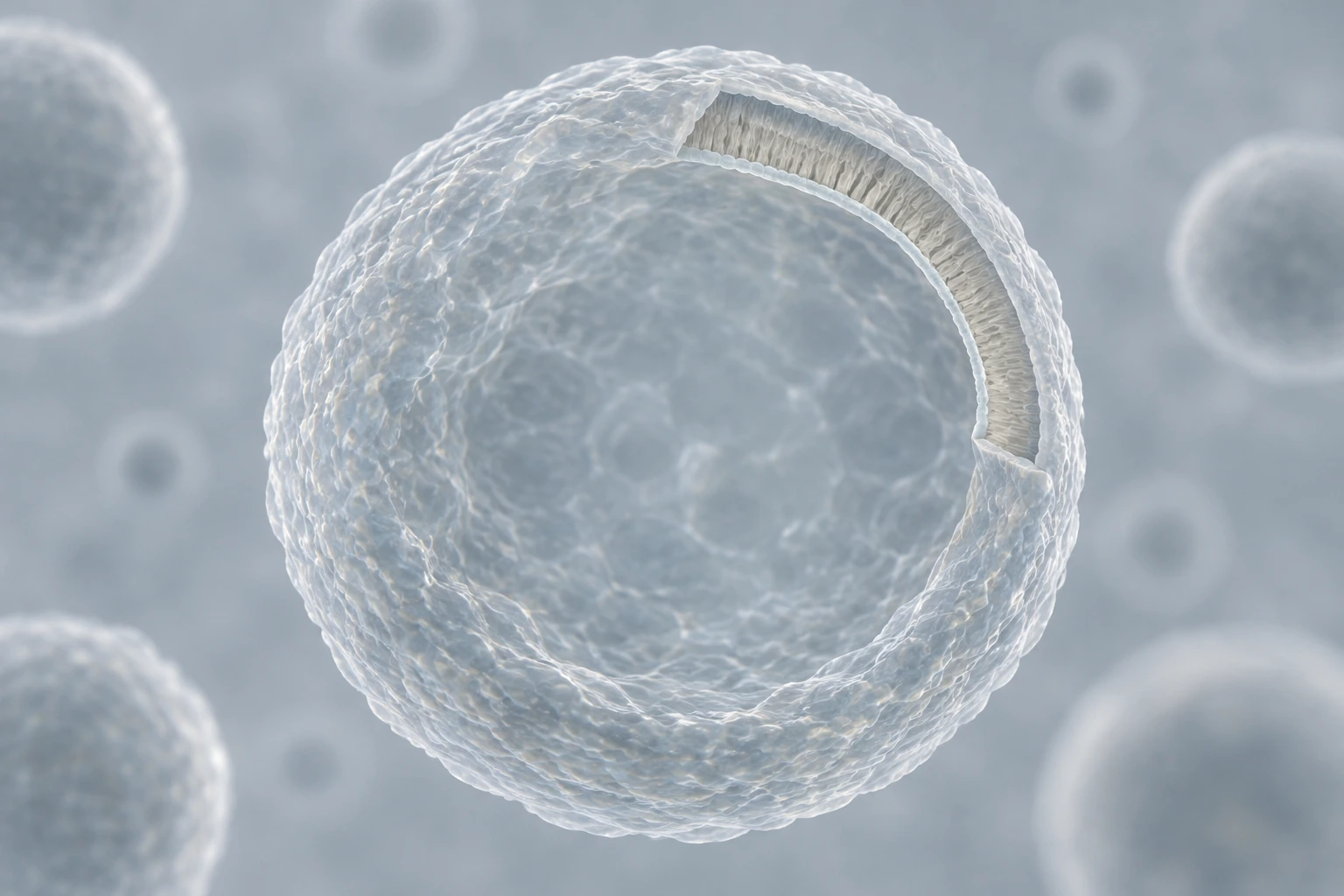
Conceptual illustration of a lipid compartment and its surrounding membrane
Conceptual editorial illustration, not to molecular scale. It explains a delivery concept rather than documenting the finished product, absorption or a clinical effect.

What one human study observed

An open-label study published in 2019 evaluated a specified microencapsulated liposomal iron pyrophosphate preparation in non-pregnant women with iron-deficiency anaemia.

Of 558 participants, 437 completed the study. Mean haemoglobin increased over twelve weeks. The absence of a control group limits the conclusions: the study does not establish superiority over other iron preparations.

This was research on another product, rather than the complete YOTSUBA JAPAN formula. It illustrates scientific interest in the technology while preserving the need to assess each specific composition.

Ume: the organic acids of a Japanese fruit

Behind ume’s characteristic tartness is a distinctive organic-acid composition, particularly citric and malic acids. Japanese researchers have examined how their proportions vary with fruit maturity and the preparation of concentrated extract.

This is an interesting perspective for an iron formula. Organic acids can interact with iron, while vitamin C is recognised for its role in increasing non-haem iron absorption. Studies of food combinations suggest that the whole composition, including the balance of acids, can matter.

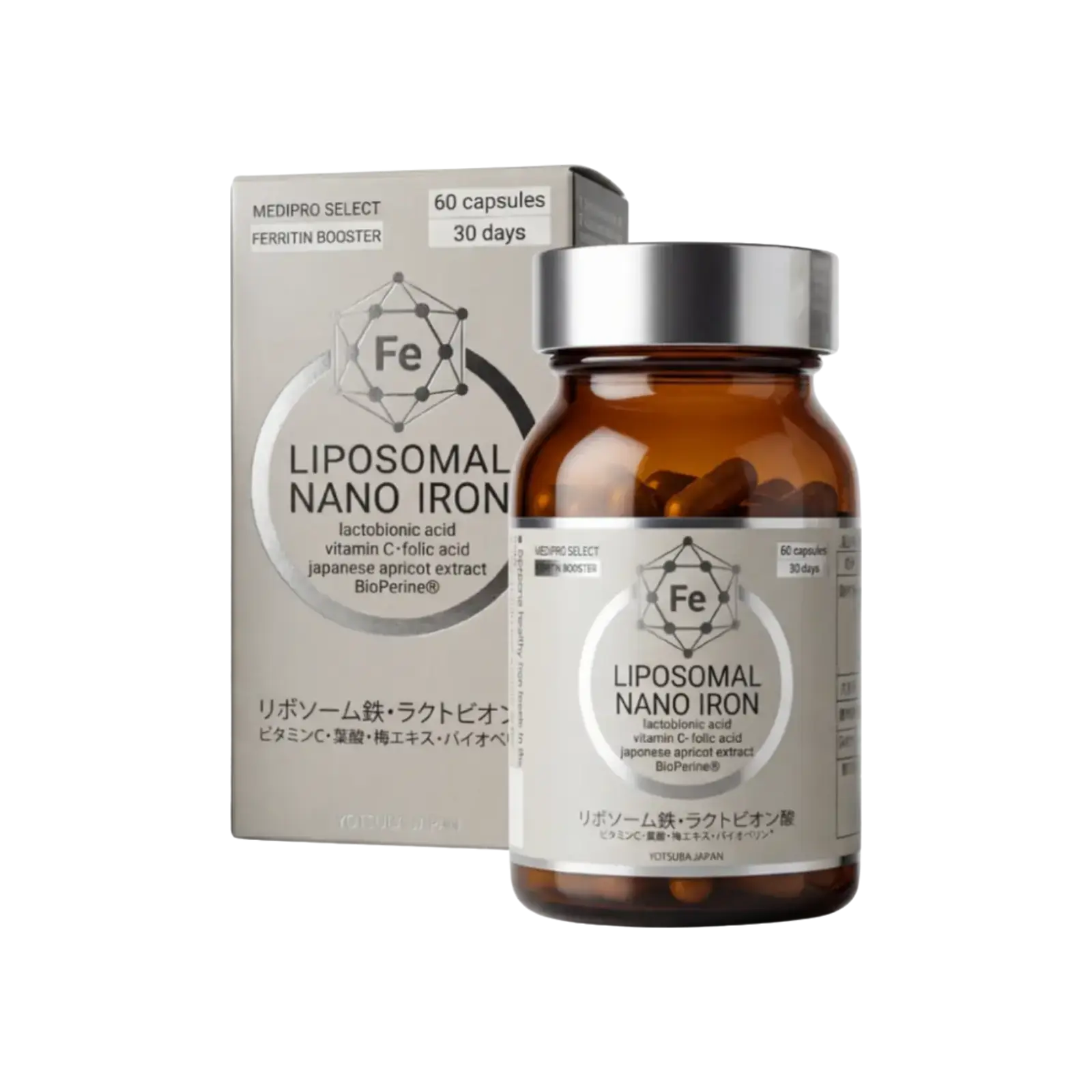
In LIPOSOMAL NANO IRON, ume extract is combined with vitamin C and liposomal ferric pyrophosphate. The composition can be considered through several connected elements: the mineral source, its preparation technology and the accompanying ingredients. The extent of their combined influence on absorption requires research on the finished formula itself.

Inside LIPOSOMAL NANO IRON

The formula uses liposomal ferric pyrophosphate. The declared two-capsule daily serving provides 12 mg of iron, 100 mg of vitamin C, 240 micrograms of folic acid, 16 mg of Japanese apricot extract, 4.5 mg of lactobionic acid and 5 mg of BioPerine® black-pepper extract.

Iron is the foundation of this composition. Vitamin C and folic acid complement its nutrient profile, while ume contributes a Japanese botanical ingredient. The declared extract amount does not specify the quantity of each organic acid.

THE DECLARED DAILY COMPOSITION / TWO CAPSULES

Iron, with accompanying ingredients

  1. Conceptual iron ingredient illustration
    12 mg

    Liposomal iron

    Iron supplied as liposomal ferric pyrophosphate.

  2. Citrus illustration representing vitamin C
    100 mg

    Vitamin C

    Included alongside the liposomal iron system.

  3. Japanese ume fruits representing the botanical extract
    16 mg

    Japanese ume extract

    A plant preparation containing naturally occurring organic acids.

  4. 240 μg

    Folic acid

    Vitamin B9 completes the nutrient composition.

  5. 4.5 mg

    Lactobionic acid

    A separately declared sugar-acid ingredient.

  6. 5 mg

    BioPerine®

    Standardised black-pepper extract.

Declared amounts per two-capsule daily serving. Ingredient illustrations do not show actual proportions. Follow the approved destination-market label.

From composition to an informed choice

A modern discussion of iron begins with a few questions: which form is used, how much elemental iron does a serving provide, and which evidence relates to that particular preparation?

Individual need matters too. Iron stores may decline before anaemia develops, while ferritin measurements need interpretation in the context of inflammation and other circumstances. Choosing a supplement is best connected with an assessment of iron status together with a qualified professional.

LIPOSOMAL NANO IRON brings together a defined iron source, liposomal technology and a multi-ingredient composition. The complete ingredient information helps readers examine this system as a whole.

THE YOTSUBA COLLECTION

Liposomal ferric pyrophosphate with vitamin C, folic acid, Japanese ume extract, lactobionic acid and BioPerine®. Explore the complete composition and serving information.

END OF ARTICLE