Editorial starting point: The Health Industry News, issue 1840, 15 July 2026; online item dated 14 July. Scientific context includes a cohort study published on 26 January 2026. Published 30 October 2026.
Isoflavones. Form matters.
Soy compounds, the gut microbiota and a Japanese approach to women-focused formulations.
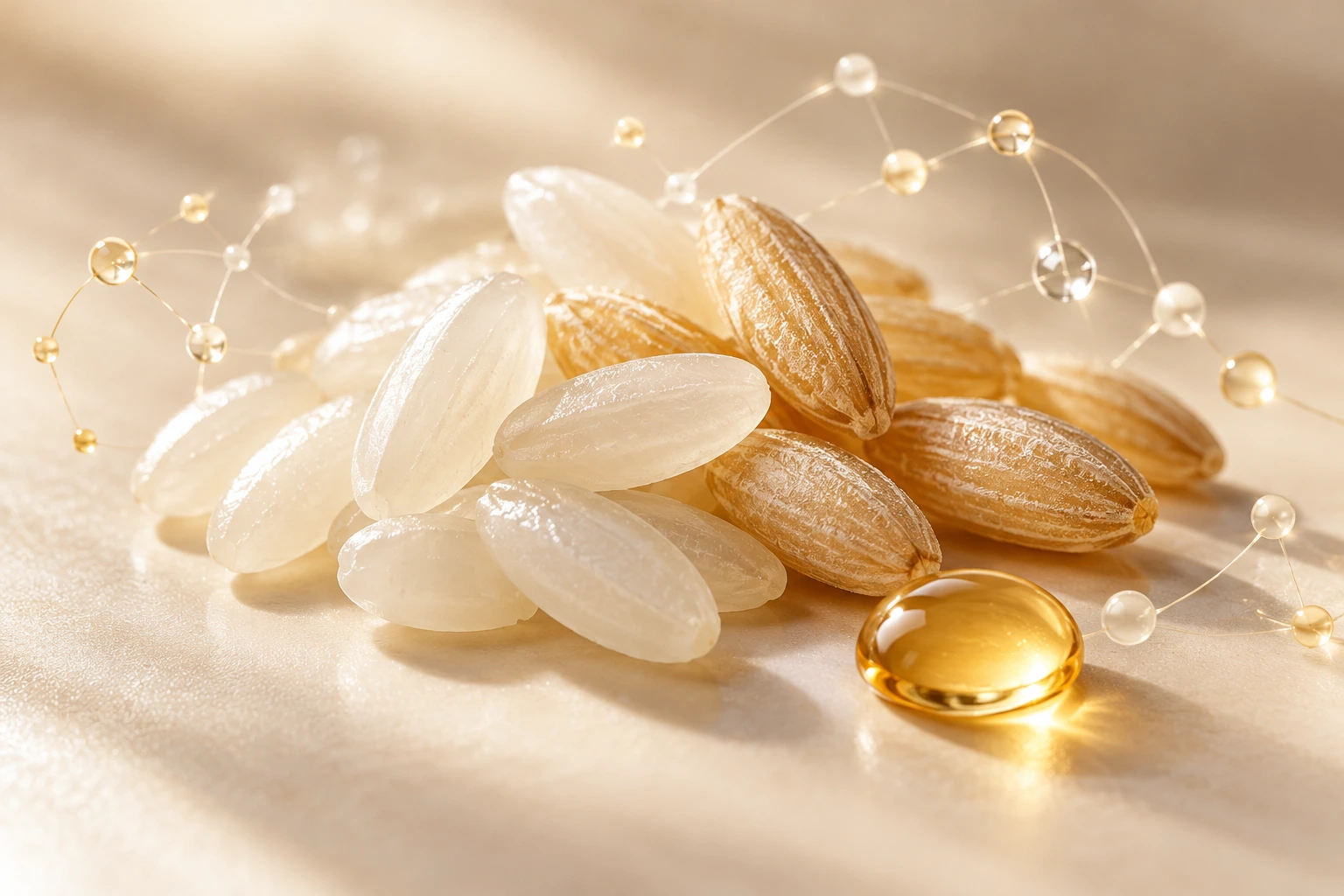
Soy appears in many forms in Japanese food culture: tofu, miso and natto. Behind this familiar food is a complex composition, in which isoflavones hold a particular place as plant compounds studied in the context of women’s health.
The July edition of The Health Industry News explored women’s health as a direction in functional nutrition. To understand this subject more deeply, it helps to look at the ingredient itself: the form in which it is presented and the transformations it undergoes in the body.
What does aglycone mean?
Soy isoflavones can occur as glycosides, with an attached sugar group, or as aglycones, without that group.
Researchers are interested in this distinction because molecular form can influence how the compounds enter the bloodstream. In a small human study published in 2000, peak isoflavone concentrations were reached earlier after aglycone intake than after glucoside intake. The concentrations measured under the experimental conditions also differed.
Ingredient form is a meaningful characteristic of a composition. However, faster appearance in the blood does not by itself establish a greater effect on wellbeing: those outcomes require their own research.
Where the microbiota enters the story
Some soy compounds undergo further transformations involving intestinal microorganisms. For example, certain bacteria can convert the isoflavone daidzein into equol.
This introduces an individual difference: not everyone has the capacity to produce equol, and that capacity can change over time.
Aglycone form and equol production describe different stages. Aglycone is a characteristic of the starting molecule. Equol is a product of the subsequent microbial conversion of daidzein. The presence of aglycones in a formulation therefore does not mean that the body will necessarily produce equol.
Molecular form and microbial conversion
Aglycone
An isoflavone form without the attached sugar group. It describes the starting compound.
Equol
A metabolite formed when certain intestinal microorganisms convert daidzein. Production varies between people.
What a 2026 study added
In a study published in 2026, researchers analysed data from 498 adults who underwent annual health examinations between 2016 and 2019.
Based on their measurements, the participants were divided into three groups: 30.9% consistently produced equol in all four years; 26.1% produced it inconsistently; and 43.0% did not meet the producer criterion in any year.
Stable producers had higher gut microbiota diversity and differences in microbial composition, despite comparable daidzein intake.
The interesting shift is from asking how much soy a person eats to asking how their microbiota processes it. The study identified an association, but did not prove that increasing microbiota diversity necessarily leads to equol production.
Equol production across four years
- 30.9%
Stable producers
Met the producer criterion in all four annual assessments.
- 26.1%
Unstable producers
Met the criterion in at least one year, but not all four.
- 43.0%
Non-producers
Did not meet the criterion in any of the four years.
How this relates to the Yotsuba formula
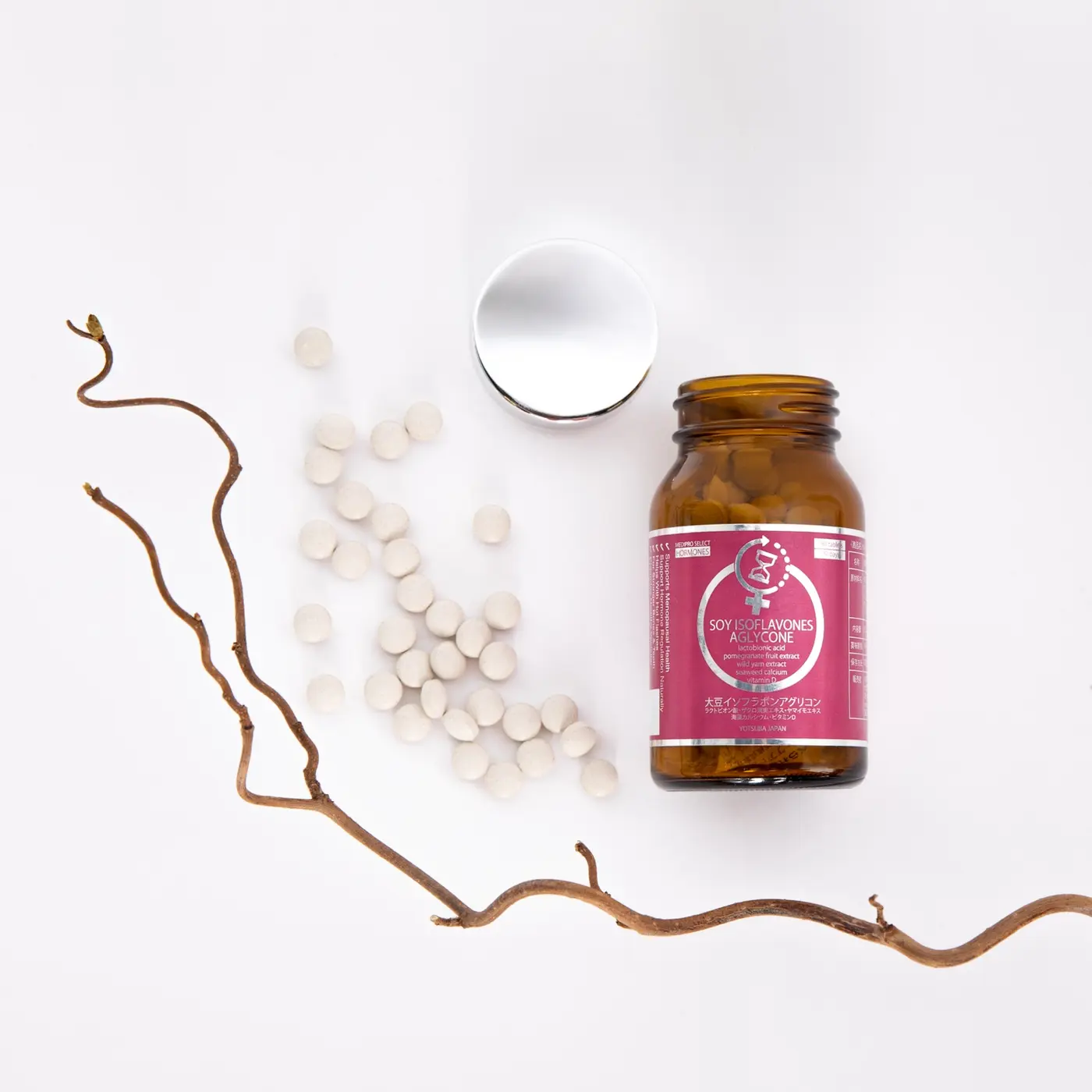
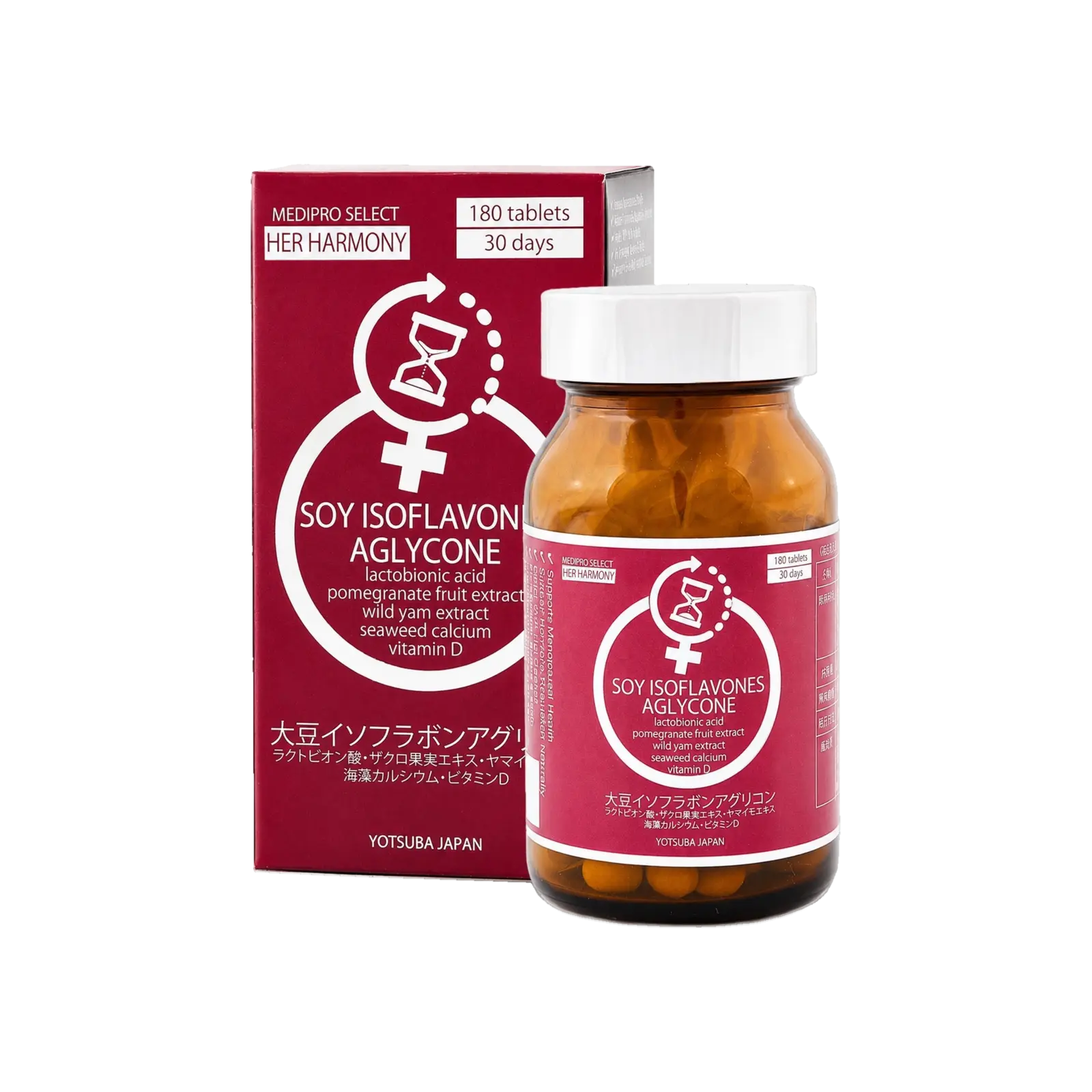
Yotsuba Soy Isoflavones uses soy isoflavones in aglycone form. According to the current Japanese label, the daily serving provides 30 mg of aglycones.
The composition also includes wild yam and pomegranate extracts, a fermented ingredient containing lactobionic acid, a seaweed-derived calcium ingredient and vitamin D.
The formula can be considered through several elements: a defined isoflavone form, accompanying botanical components and a mineral–vitamin layer. Studies of individual substances help explain the composition’s rationale; outcomes for the finished formula require separate evaluation.
A defined form, with accompanying ingredients
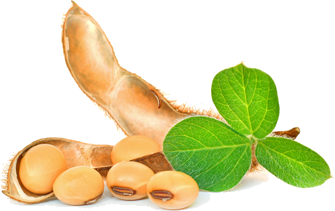 30 mg
Soy isoflavone aglycones
Declared per daily serving on the Japanese label.
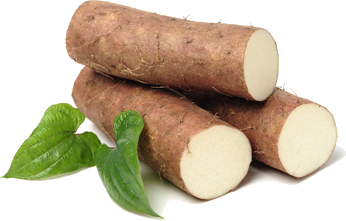
Wild yam
A botanical extract within the composition.
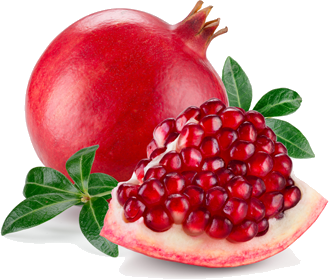
Pomegranate
Fruit extract adds another botanical component.
Lactobionic ingredient
A fermented ingredient containing lactobionic acid.
Seaweed calcium
A marine-derived calcium ingredient.
Vitamin D
Part of the mineral–vitamin layer.
A more precise perspective on women’s health
The modern isoflavone story connects ingredient chemistry, the characteristics of the microbiota and the body’s individual response.
For Yotsuba, this is a reason to pay attention to detail: identifying the substance’s form, distinguishing mechanisms from measured effects and explaining which preparation a study actually examined.
These details make a conversation about composition useful, from the familiar soybean to a thoughtfully developed Japanese formula.
Soy isoflavone aglycones with wild yam, pomegranate, a lactobionic-acid-containing ingredient, seaweed calcium and vitamin D. Explore the complete product information.
The pharmacokinetic study and observational cohort address different questions. Neither evaluates the complete Yotsuba formula.