YOTSUBA JAPAN / OSAKAFROM THE YOTSUBA EDITORIAL DESKThe journal
Yotsuba Japan Times

THE JOURNAL / 22 STORIES

Choose a story.
Take a closer look.

Ingredients, research and perspectives from Japan. Open the stories that interest you, and close them when you are ready to explore more.

06INGREDIENT DESK / SAKULORA™SOURCE EDITION · 7 OCTOBER 2026From cherry blossom to microbiota.SAKULORA™, a distinctive bacterial strain and two different paths of human research.Read articleClose article

Based on The Health Industry News, issue 1845, 7 October 2026, Oryza Oil & Fat Chemical materials and published research.

INGREDIENT DESK / SAKULORA™SOURCE EDITION · 7 OCTOBER 2026 · 3 MIN READ

From cherry blossom to microbiota.

SAKULORA™, a distinctive bacterial strain and two different paths of human research.
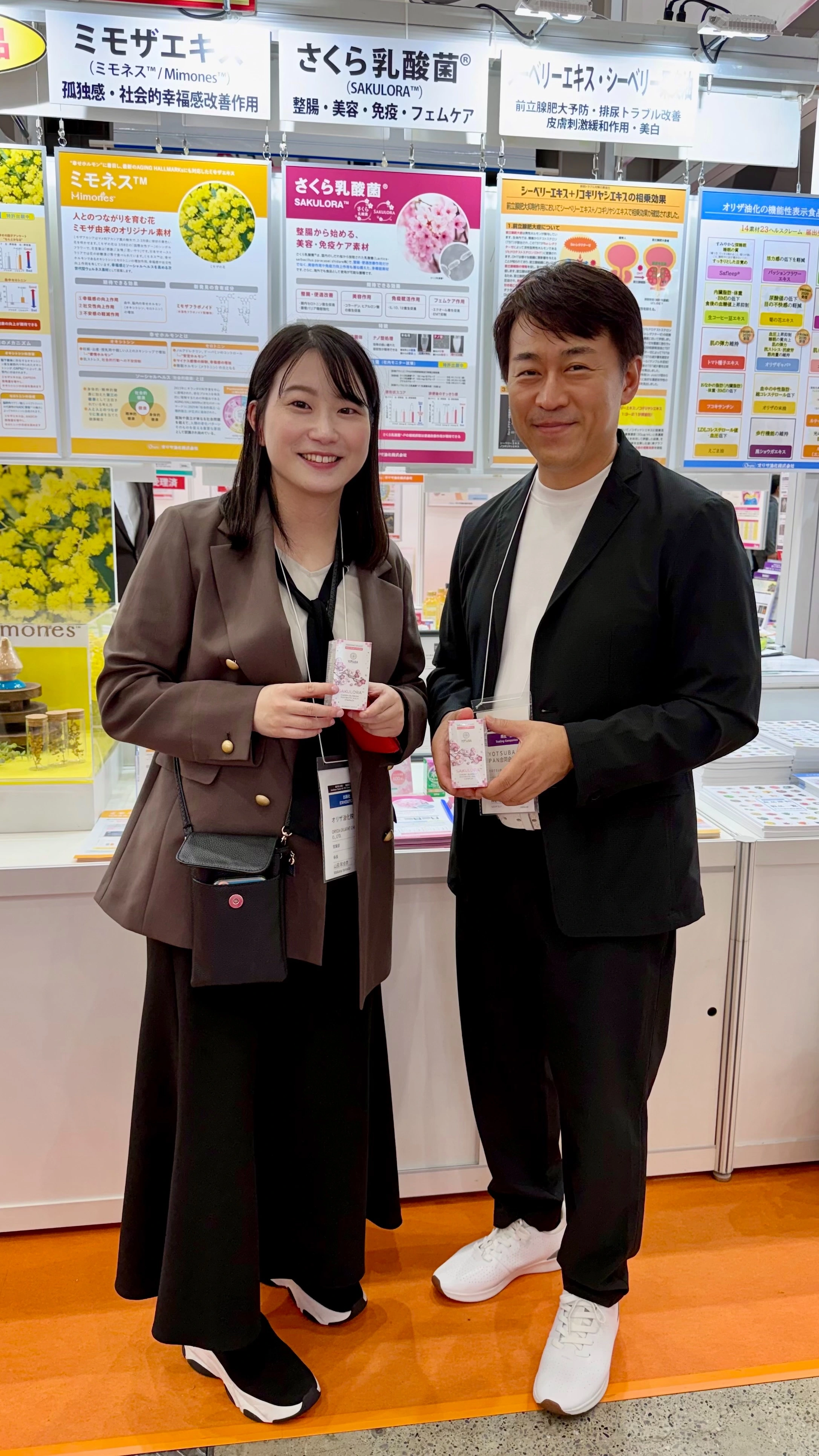
Original exhibition photograph of two people holding SAKULORA packaging in front of the sakura bacterial ingredient display
At the SAKULORA™ exhibition stand · Original field photograph supplied by Yotsuba Japan.

A cherry blossom became the starting point for a Japanese ingredient. Lacticaseibacillus paracasei strain Shidare was isolated from the flowers of weeping cherry blossom and developed into SAKULORA™.

The preparation studied here uses heat-inactivated bacterial cells. It is a different approach from a live probiotic culture: researchers examine the properties of a defined, non-living preparation and its relationship with intestinal function.

Our photograph from the exhibition stand places that research in a real setting, alongside the ingredient display and Yotsuba packaging. The scientific story continues through two separate questions: bowel function and the microbial conversion of a soy isoflavone into equol.

EQUOL / BIOLOGICAL CONTEXT

A conversion that depends on the microbiota

  1. Daidzein

    A soy isoflavone provides the starting compound.

  2. Microbial conversion

    Certain intestinal bacteria carry out the transformation; capacity varies between people.

  3. Equol

    Researchers can assess its production through urinary measurements.

Conceptual pathway. It does not imply that the Shidare strain directly produces equol or that conversion occurs in everyone. Oryza · Research background
TWO STUDIES / TWO QUESTIONS

Read the study design before the result

  1. 44 adults

    Bowel-function trial

    2 weeks · randomised · double-blind · placebo-controlled. Weekly bowel-movement frequency was higher with the ingredient. Microbiota and short-chain-fatty-acid endpoints were not significantly different.

  2. 11 women

    Exploratory equol study

    12 weeks · 50 mg/day · manufacturer-reported internal study. Urinary equol-to-daidzein ratio rose against baseline after 2–3 months. No placebo group is described in the release.

These cards summarise different study designs and endpoints. They are not a numerical comparison of treatment effects. Controlled trial · Takara and colleagues, 2026
EXPLORATORY EQUOL STUDY / TIME VIEW

What was measured, and when

  1. Baseline

    Before intake

    Urinary equol-to-daidzein ratio was assessed.

  2. 12 weeks

    Daily intake

    11 healthy women took 50 mg of the ingredient per day.

  3. 2–3 months

    Reported observation

    The manufacturer reported a significant increase in the ratio relative to baseline.

A study timeline, not an effect-size curve. The public release does not provide numerical means or error bars for redrawing a quantitative efficacy graph. Oryza · 19 January 2026

Why equol enters the picture

Some dietary compounds undergo further transformations through intestinal microorganisms. Daidzein, a soy isoflavone, is one example: certain gut bacteria can convert it into equol. The capacity for this conversion varies between people.

This raises a research question about the conditions supporting that transformation. For the developers of SAKULORA™, equol production has become one branch of a wider ingredient research programme.

An exploratory observation over twelve weeks

In January 2026, Oryza reported an internal study in 11 healthy women who took 50 mg of the ingredient daily for 12 weeks. The researchers measured the urinary equol-to-daidzein concentration ratio.

The company reported a statistically significant rise relative to baseline after two to three months. Equol production was also detected after three months in both of the two participants in whom it had not been detected at entry.

The public release does not describe a placebo group. These small, exploratory observations call for further confirmation. They do not establish that every person will develop equol-producing capacity.

A separate controlled study of bowel function

A different study was published in February 2026 in Functional Foods in Health and Disease by Tsuyoshi Takara, Naoko Suzuki, Hiroshi Shimoda and colleagues. Forty-four adults with mild constipation were randomly assigned to the ingredient or placebo for two weeks in a double-blind trial.

The ingredient group had a significantly higher weekly bowel-movement frequency than placebo. No significant differences were reported for secondary endpoints, including microbiota composition and faecal short-chain fatty acids.

This paper concerns bowel function. Its findings should be read alongside, rather than merged with, the separate exploratory equol study.

The ingredient in the Yotsuba collection

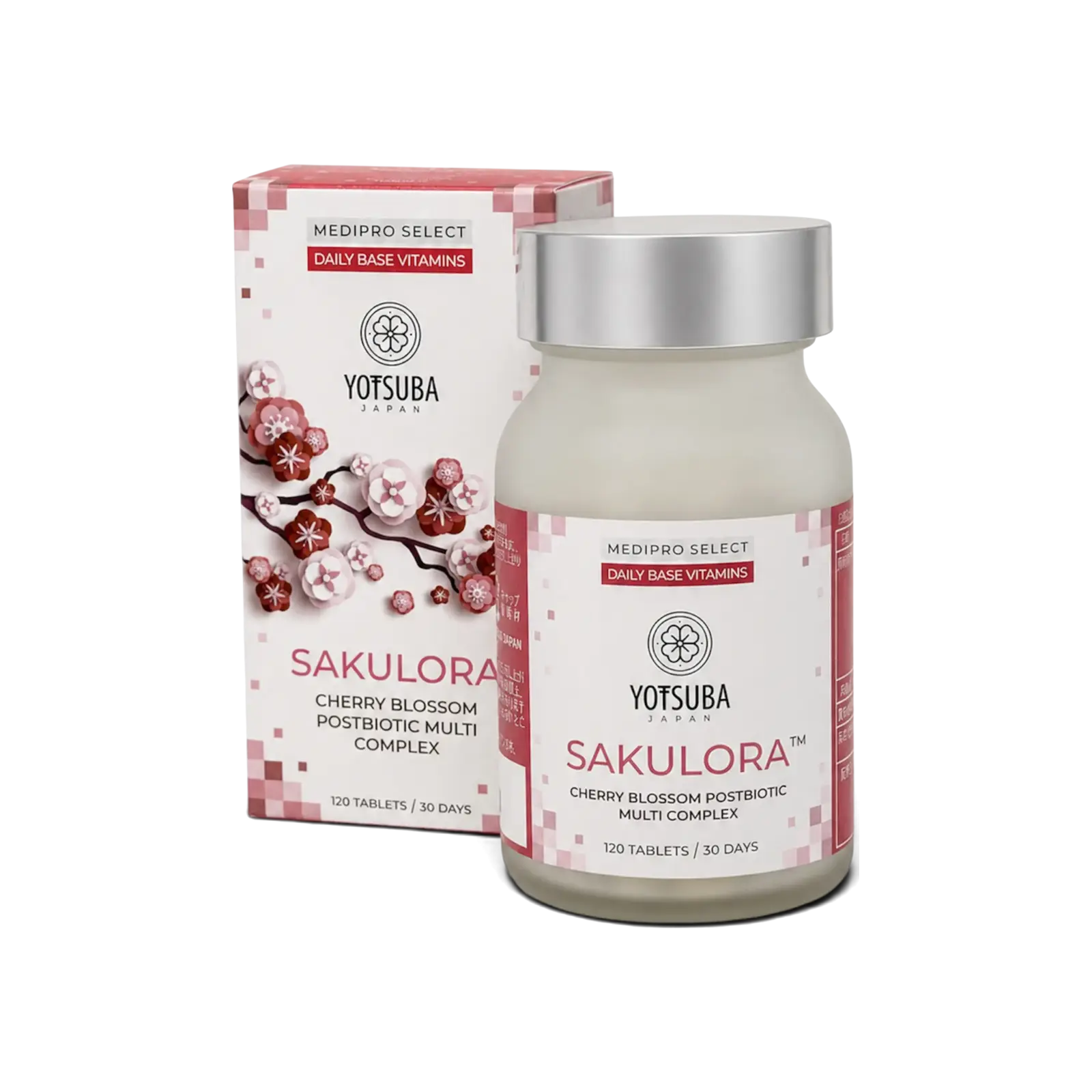
Yotsuba Japan’s SAKULORA™ combines a vitamin-and-mineral foundation with 50 mg of the heat-inactivated Shidare ingredient per daily serving. Its identity brings together micronutrient formulation and a specific Japanese bacterial preparation.

From a flower to an identified strain, and from a prepared ingredient to measured research outcomes, the story illustrates how a natural origin can become the beginning of scientific investigation.

THE YOTSUBA COLLECTION

Explore the full composition of SAKULORA™ in the Yotsuba Japan collection.
ORIGINAL SOURCESOryza · Ingredient identity and preparationTakara and colleagues · Controlled bowel-function trial, 2026 Oryza · Exploratory equol study, January 2026

The two studies concern different endpoints and designs. The bowel-function paper is a placebo-controlled ingredient trial; the equol observations are reported in a manufacturer release.
END OF ARTICLE
07INGREDIENT SCIENCE / SALACIASOURCE EDITION · 7 OCTOBER 2026Salacia, beyond the botanical name.From carbohydrate digestion to the analytical laboratory: a closer look at a botanical ingredient and the people studying it.Read articleClose article

Inspired by The Health Industry News, No. 1845 · 7 October 2026, pp. 38–40, with additional published research.

INGREDIENT SCIENCE / SALACIASOURCE EDITION · 7 OCTOBER 2026 · 3 MIN READ

Salacia, beyond the botanical name.

From carbohydrate digestion to the analytical laboratory: a closer look at a botanical ingredient and the people studying it.

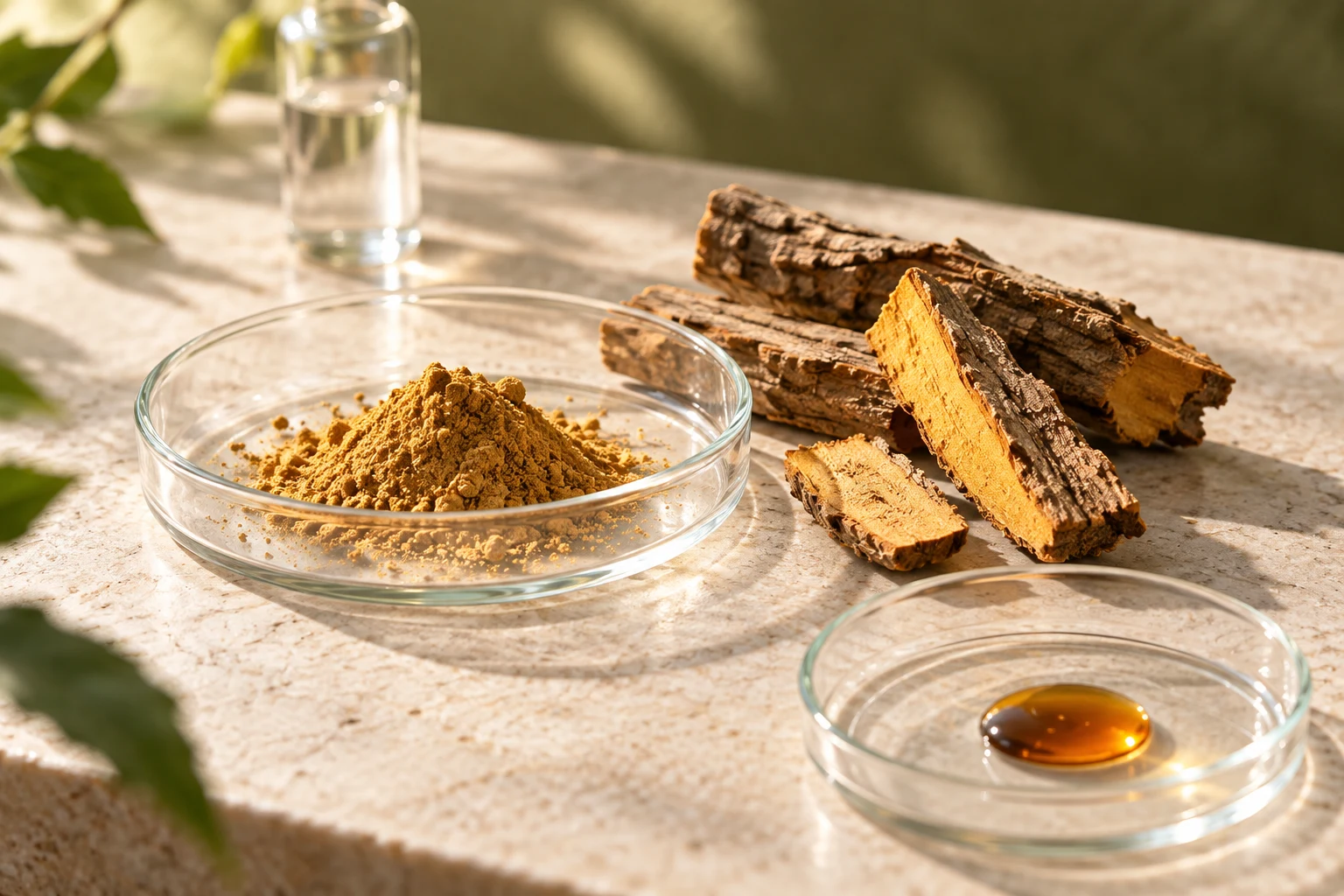
Conceptual botanical research still life with woody bark fragments, extract powder and glass sample dishes
Botanical research, illustrated · AI-generated editorial still life; not an authenticated species specimen or a photographed laboratory sample.

An ingredient becomes more interesting when we understand the question behind its research. For Salacia, that question begins with a meal: how might plant constituents influence the way carbohydrates are broken down?

The story connects digestive enzymes, carefully identified extracts and measurements made in the laboratory. Following those connections takes us from a botanical name to a much more precise understanding of an ingredient.

THE SCIENCE, VISUALLY

Where the mechanism begins

  1. 01

    Carbohydrates

    A meal provides carbohydrates that need enzymatic breakdown.

  2. 02

    Enzyme activity

    Alpha-glucosidases help complete digestion in the small intestine.

  3. 03

    Simple sugars

    The resulting sugars become available for absorption.

Research focus at step 02: salacinol and kotalanol inhibit alpha-glucosidase activity. Simplified mechanism; not a quantitative model.

HUMAN STUDY / DATA VIEW

A measured difference after a meal

Reduction in positive glucose area under the curve vs the control meal

A measured difference after a mealReduction in positive glucose area under the curve vs the control meal. 240 mg extract: 14% reduction; 480 mg extract: 22% reduction. Scale from zero to 25 percent.0%5%10%15%20%25%240 mg extract−14%480 mg extract−22%
Salacia oblonga extract · 66 people with type 2 diabetes · randomised, double-blind crossover trial · 180-minute observation. Williams et al., 2007. Bars redraw the published summary percentages; they are not a glucose time curve or a measure of carbohydrate calories removed. Read the paper

The people behind the papers

2007 · HUMAN RESEARCH

Jennifer A. Williams & colleagues

Ross Products Division, Abbott Laboratories · Columbus, Ohio, USA

A controlled meal study measuring glucose and insulin responses.

View publication
2010 · ANALYTICAL CHEMISTRY

Osamu Muraoka, Toshio Morikawa & colleagues

Pharmaceutical Research and Technology Institute, Kinki University · Higashi-Osaka, Japan

A method to measure salacinol and kotalanol in botanical materials.

View publication
2013 · HUMAN RESEARCH

H. N. Shivaprasad & colleagues

Research and Development Centre, Olive Lifesciences · Bengaluru, India

A small trial comparing leaf and root-bark extracts over six weeks.

View publication

Institutions are the affiliations reported in the cited papers. These credits identify the research authors; they do not imply endorsement of Yotsuba.

A closer look at digestion

Before carbohydrates can be absorbed as simple sugars, digestive enzymes help break them into smaller units. Alpha-glucosidase enzymes take part in the final steps of this process in the small intestine.

Two Salacia constituents, salacinol and kotalanol, have been investigated for their ability to inhibit these enzymes. This gives researchers a specific mechanism to explore: influencing the rate at which certain carbohydrates become available as glucose. It does not mean that every carbohydrate is blocked or that a meal loses its calories.

What happened after a meal?

In 2007, Jennifer A. Williams and colleagues conducted a blinded, randomised crossover trial in 66 people with type 2 diabetes. Each participant received a liquid meal alone and with two amounts of Salacia oblonga extract on separate study occasions. Blood sampling continued for three hours.

The graph presents the reported reductions in positive glucose area under the curve relative to the control meal. This measure summarises the glucose rise over the observation period. An acute meal response answers a different question from long-term glucose control.

Inside the analytical laboratory

In Osaka, Osamu Muraoka, Toshio Morikawa and colleagues at Kinki University’s Pharmaceutical Research and Technology Institute developed an HPLC–MS assay for salacinol and kotalanol. Their 2010 paper compared three Salacia species and materials from four plant parts.

Liquid chromatography separates constituents; mass spectrometry helps detect them. Together, these techniques make it possible to quantify selected compounds. The work shows why the species, plant part and chemical profile belong alongside the ingredient name.

One genus, different research materials

Salacia reticulata, Salacia oblonga and Salacia chinensis are distinct species within the same genus. Research also examines different plant parts and preparations. Those details help us understand what was actually measured.

A six-week trial published in 2013 by H. N. Shivaprasad and colleagues studied leaf and root-bark extracts of Salacia reticulata in 29 people with prediabetes and mild to moderate hyperlipidemia. Participants received 500 mg daily of an extract or placebo, alongside lifestyle changes. The authors reported improvements in fasting glucose, with the pattern differing between the two extracts. Its small size and short duration leave questions for larger studies.

From measurement to formulation

A botanical ingredient’s practical identity includes its preparation, composition and amount. These details also guide the development of capsules, powders, drinks and jellies: formats that bring different requirements for flavour, texture and consistency.

Reading the research this way gives a plant name more depth. We can ask which material was characterised, what the researchers measured and how an ingredient fits into a clearly described formula. That curiosity is what makes Salacia an interesting subject for our ingredient journal.

THE YOTSUBA COLLECTION

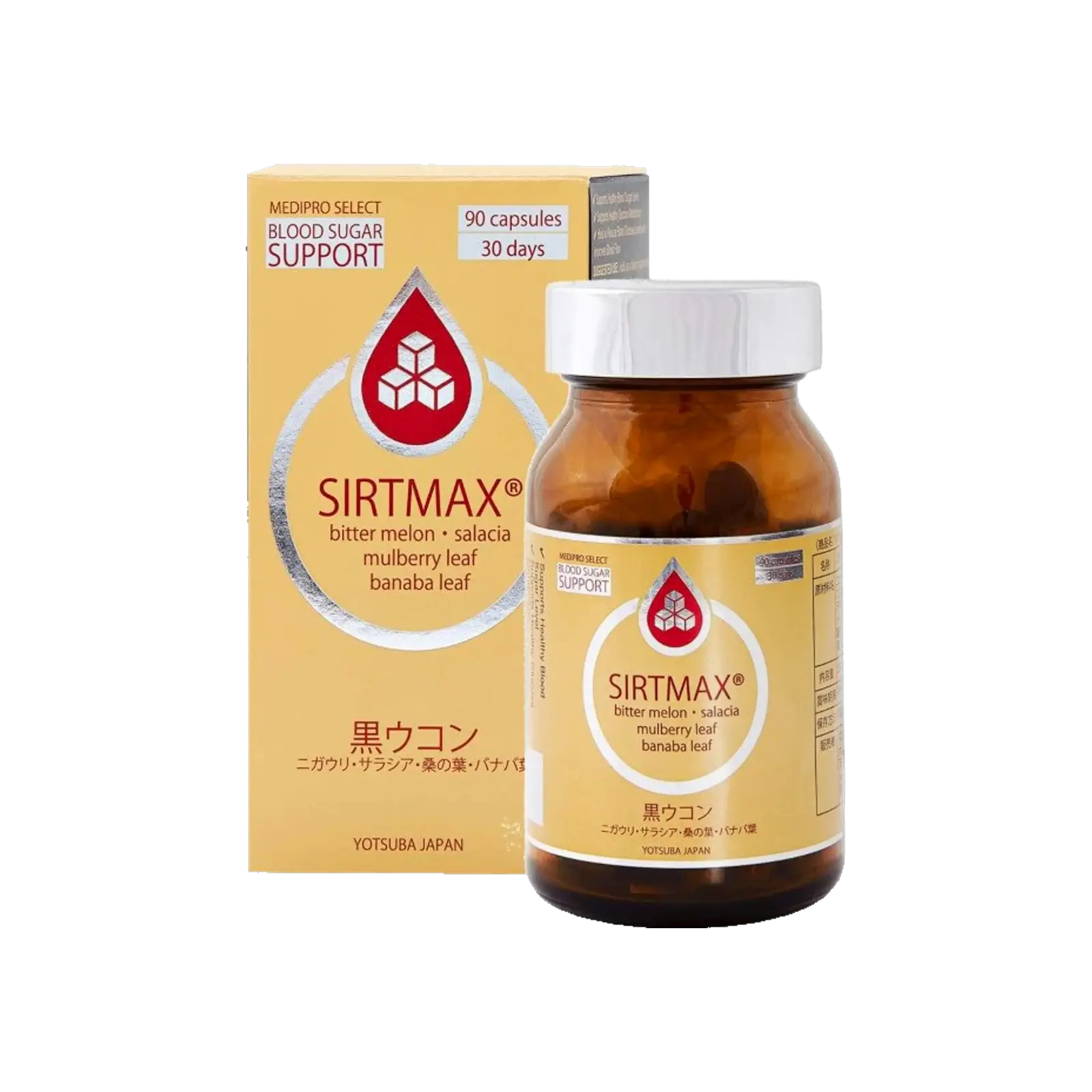
Blood Sugar Support SIRTMAX® contains 66.67 mg of Salacia extract powder per daily serving of three capsules, together with bitter melon, SIRTMAX® black-ginger extract, organic mulberry leaf and banaba. Explore the complete composition and the role of each botanical.

Explore the ingredient library

Study details accompany each result. The chart summarises an acute meal experiment; the analytical study measures constituents, while the six-week trial examines fasting outcomes. These are different research questions and should be read in their own study context.

END OF ARTICLE
08FORMULATION / BOTANICAL CRAFTSOURCE EDITION · 7 OCTOBER 2026The form behind the ingredient.Powder, extract or fermented preparation: how botanical materials become ingredients for everyday formulas.Read articleClose article

Inspired by botanical ingredient development in The Health Industry News, No. 1845 · 7 October 2026, pp. 41–42, with additional scientific and technical references.

FORMULATION / BOTANICAL CRAFTSOURCE EDITION · 7 OCTOBER 2026 · 5 MIN READ

The form behind the ingredient.

Powder, extract or fermented preparation: how botanical materials become ingredients for everyday formulas.

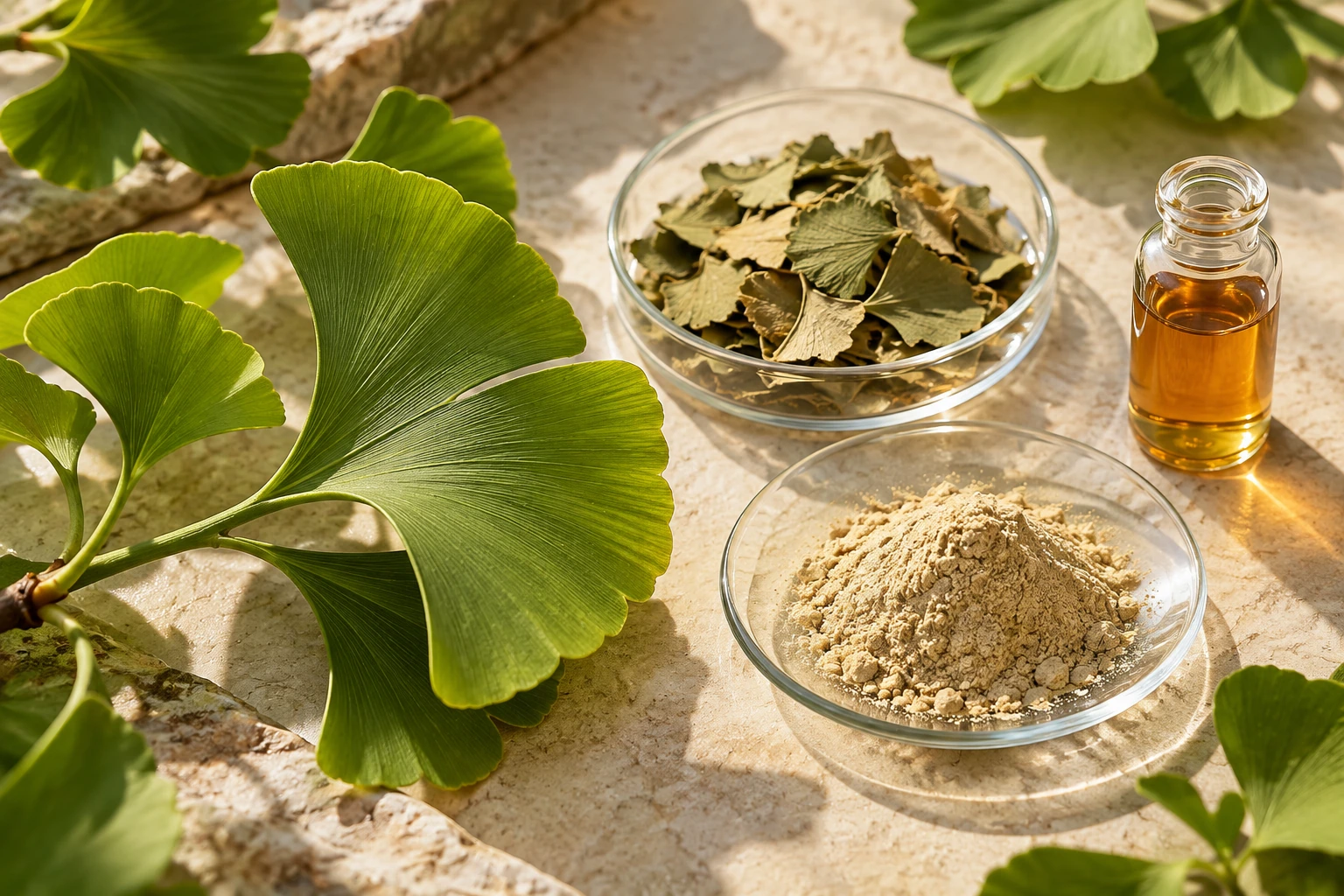
Illustrative scientific still life of ginkgo leaves, dried botanical fragments, a fine powder and an amber liquid sample in glassware
From plant to preparation · AI-generated editorial still life. Illustrative materials, not measured portions, extraction yields or samples of the products below.

A leaf, a root or a rhizome is an ingredient story in its earliest form. Between that plant and a capsule, drink or jelly lies a series of decisions: what to retain, what to extract, how to prepare it and how it should behave in the finished formula.

These decisions give botanical ingredients their practical character. Two pale powders can look almost identical while representing very different materials. Understanding the preparation brings the plant name on a label into sharper focus.

FORMULATION / THREE PREPARATION ROUTES

One botanical starting point, different processes

The ingredient description should tell us which route was used. These routes may also be combined during development.

  1. Milling

    Drying and grinding reduce particle size while retaining plant material.

  2. Extraction

    A selected liquid system recovers a fraction of the starting material; the extract may then be dried.

  3. Fermentation

    Microbial processing changes the material under defined cultivation conditions.

Conceptual preparation map. Equal column sizes do not represent equal yields, composition or biological effects. A powdered appearance can result from more than one route. NIH · Botanical preparation context

First, identify the material

The starting point is the botanical species and the part used. A leaf, root, fruit and seed each have their own composition. Drying and milling can turn the selected material into a powder, retaining plant tissue in a form that is easier to incorporate into a product.

The word powder describes a physical form. It can refer to milled plant material, a dried extract or a preparation made through fermentation. To understand what it contains, read the full ingredient description alongside its appearance.

Extraction changes the composition

Extraction brings plant material into contact with a chosen liquid, such as water or an alcohol–water mixture, to recover selected constituents. The liquid system and processing conditions influence the composition obtained. Extraction is therefore a way of selecting from the plant’s chemistry.

The resulting preparation can remain liquid or be dried. A dry extract is still an extract: its powdered appearance does not make it equivalent to a milled leaf or root. Its identity follows the starting material, the extraction process and the composition of the resulting preparation.

Mixing is a design question

Imagine designing a small botanical drink. Alongside ingredient identity and serving amount, the development questions become practical: how does the powder wet, disperse or dissolve? Does it settle? What happens to its aroma, colour and flavour when combined with the other ingredients?

Dissolving and dispersing describe different behaviours. A dissolved substance is distributed at the molecular or ionic level; a dispersion can contain particles or droplets. Making a powder finer changes particle size, but does not by itself establish that the material will dissolve.

For a capsule, a developer might instead focus on consistent filling and the space available for the blend. For a jelly, texture and the compatibility of the ingredients become part of the brief. The chosen format gives the same botanical a different set of design requirements.

Read the numbers in context

An extract ratio describes the relationship between the starting botanical and the extract obtained. In a hypothetical native extract with a 10:1 ratio on a stated dry-weight basis, ten parts of dried starting material yield one part of native extract. That is a production relationship, not a tenfold measure of benefit.

Native extract refers to the extract portion before added carriers or other excipients. A finished ingredient powder may include these additional materials, so its total weight and its native-extract content are different pieces of information.

Standardisation answers another question. It uses specified chemical markers to help maintain a consistent composition between batches. A marker percentage describes concentration; the serving amount tells us how much of the specified ingredient is present. Together, they are more informative than either number alone.

Give the ingredient a documented identity

A useful technical profile connects the plant name and part with processing details, composition and analytical results. The US National Center for Complementary and Integrative Health asks botanical researchers to document these features, including extraction solvents, marker compounds and batch information.

Quality work also extends to identity, purity and potential contaminants. Reference materials and reliable analytical methods help laboratories evaluate ingredients consistently. Chemical standardisation is one part of that work; it does not replace the broader assessment.

This documentation also gives research a clear subject. When a study describes a particular extract, its findings belong with that preparation and the conditions in which it was investigated. A shared plant name is the beginning of a comparison, rather than the whole comparison.

Three preparations, three formulation stories

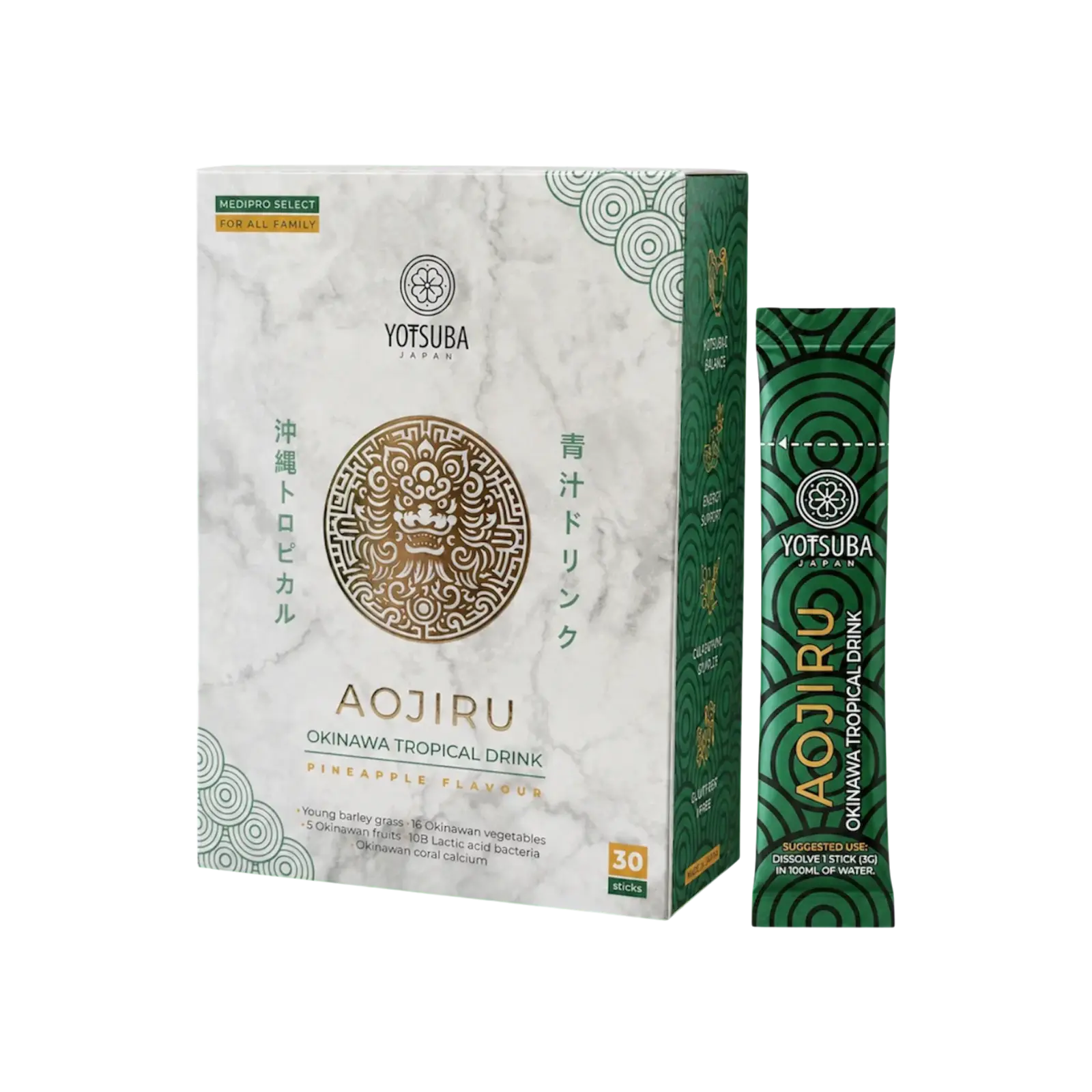
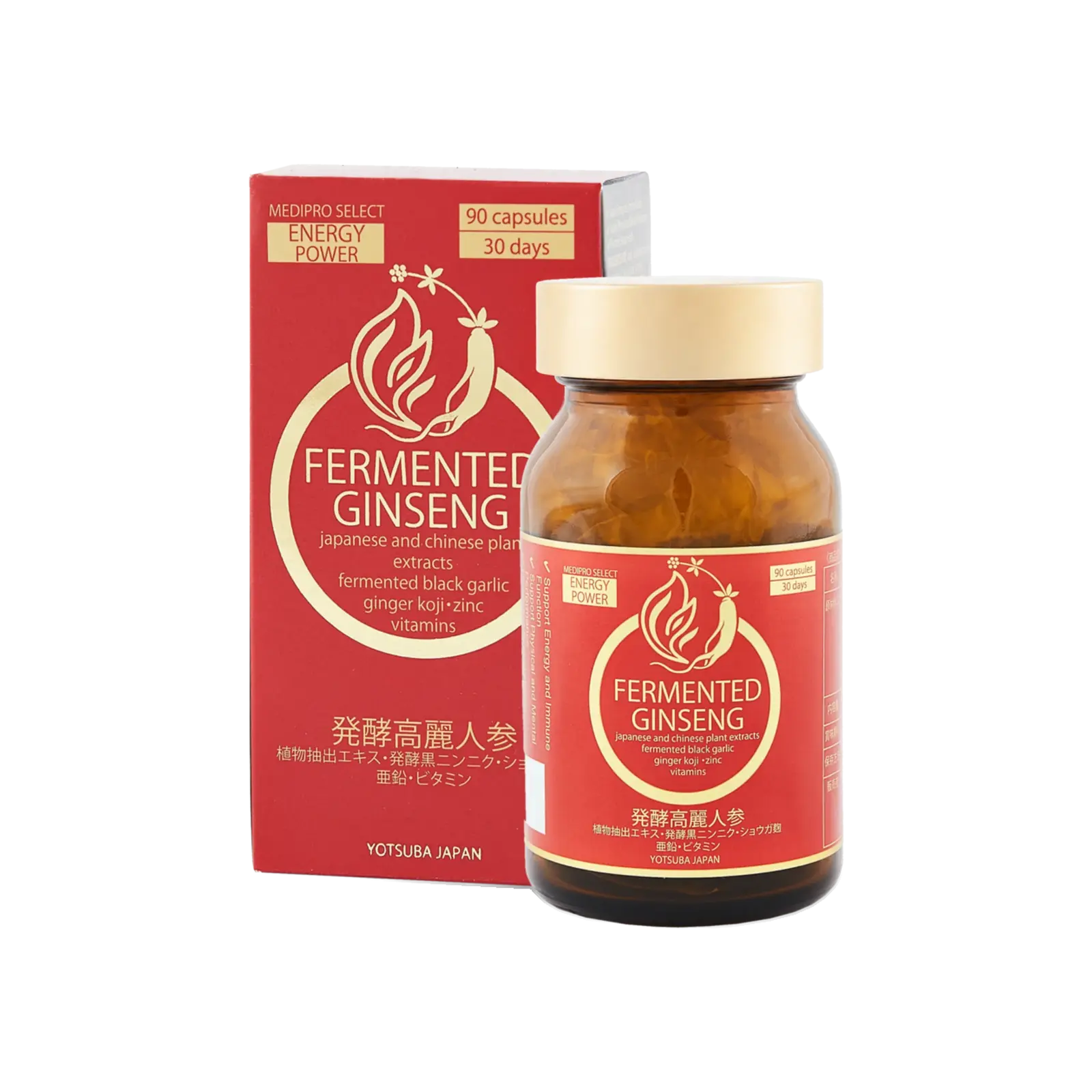
The Yotsuba collection offers several ways to explore these distinctions. Okinawa Tropical Aojiru presents green botanical ingredients in a powder drink format. Fermented Ginseng brings a fermented botanical extract together with ginger koji and fermented black garlic. Blood Sugar Support SIRTMAX® uses a specified black-ginger extract within a five-botanical capsule formula.

Each product invites a different reading of the preparation, its composition and its everyday format. The ingredient library provides another route: begin with a material, then follow it to the products in which it appears.

The craft lies in making these decisions work together. Botanical identity, processing, measurement and product design all contribute to a formula that can be clearly described and consistently made.

THE YOTSUBA COLLECTION

Explore three approaches to botanical preparation through the complete compositions in our collection.

Explore the ingredient library

The references explain preparation, characterisation and measurement. TGA guidance concerns herbal medicines and is used here for technical definitions, not as a statement of regulatory approval for Yotsuba products. The 10:1 ratio is a hypothetical example, not a specification or health-effect comparison for these formulas.

END OF ARTICLE
09BOTANICAL SCIENCE / BLACK GINGERSOURCE EDITION · 7 OCTOBER 2026Black ginger, a closer look.From a purple rhizome to SIRT1 research: the botanical story behind SIRTMAX®.Read articleClose article

Inspired by the ginger feature in The Health Industry News, No. 1845 · 7 October 2026, pp. 41–42. Ingredient identity and SIRTMAX® research are reviewed separately below.

BOTANICAL SCIENCE / BLACK GINGERSOURCE EDITION · 7 OCTOBER 2026 · 4 MIN READ

Black ginger, a closer look.

From a purple rhizome to SIRT1 research: the botanical story behind SIRTMAX®.

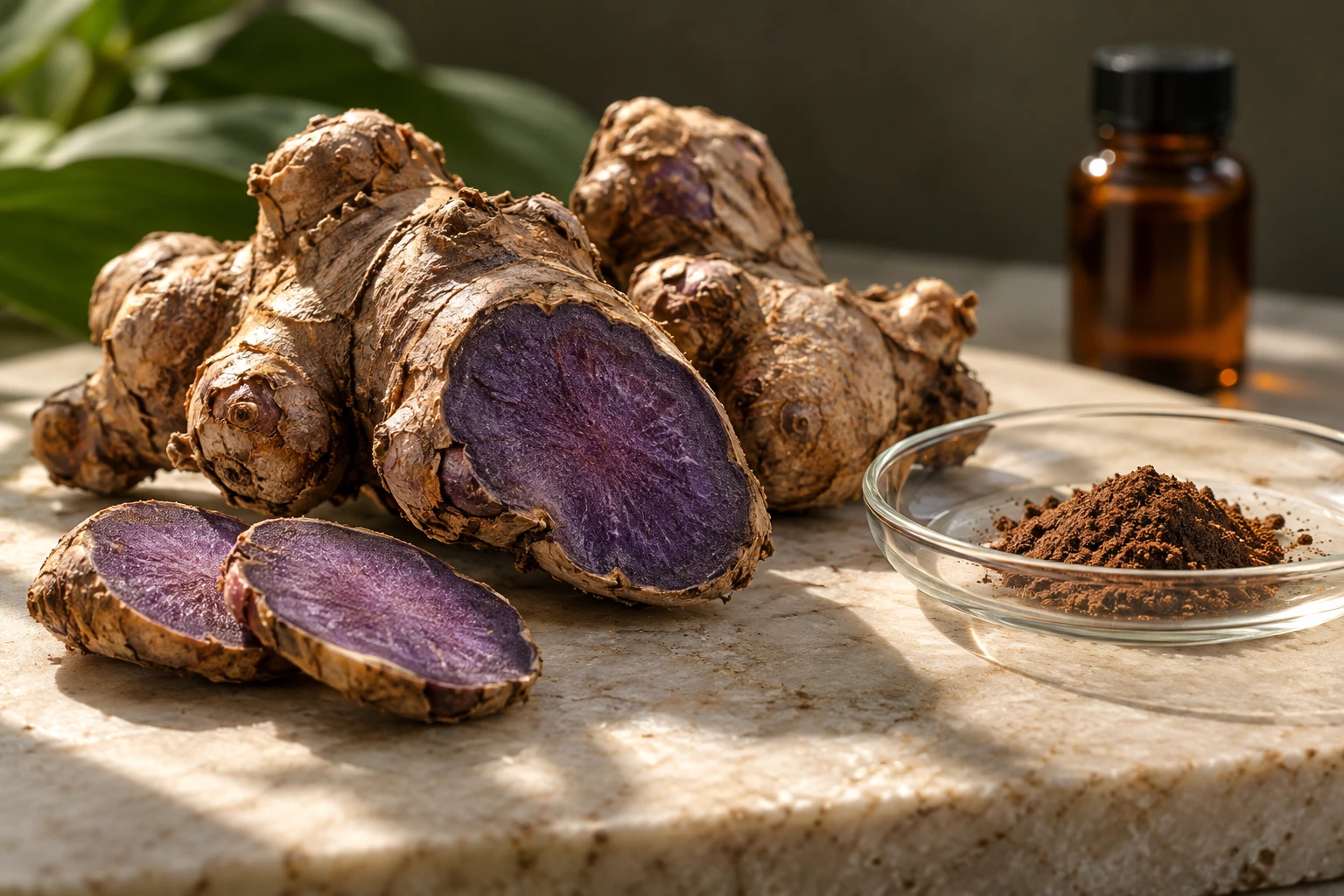
Illustrative scientific still life of black-ginger rhizomes with violet cut surfaces, botanical powder and laboratory glassware
Black ginger · AI-generated editorial still life. Illustrative botanical materials, not photographs of the tested extract.

The first surprise is inside. Beneath the modest brown skin of black ginger lies a dark violet rhizome. Its appearance offers a memorable introduction to an ingredient whose scientific story reaches from plant chemistry to the proteins involved in cellular regulation.

For Yotsuba Japan, this story already has a place in the collection. SIRTMAX® is a defined black-ginger extract within our Blood Sugar Support formula. Looking closely at the plant, the extract and the research reveals how those three parts connect.

BLACK GINGER / A MAP OF THE EVIDENCE

Three studies, different questions

  1. Molecular

    2021 · An isolated compound

    Biochemical and cultured-cell experiments examined KPMF-8 and human SIRT1. These are mechanistic measurements.

  2. 27 people

    2015 · Seven-week crossover study

    A preparation containing 100 mg SIRTMAX® was studied. Reported changes within a condition need to be read with the original comparisons.

  3. 28 people

    2019 · Eight-week study

    In the full population, sirtuin expression showed a trend, p = 0.08. This did not meet the conventional p < 0.05 threshold.

A guide to study types and endpoints, not an efficacy ranking. Different materials, designs and outcomes cannot be combined into one percentage of benefit. Primary references for each study appear below. Molecular research · 2021

One plant, several names

The botanical name is Kaempferia parviflora. It is known as black ginger, black turmeric and Kra Chai Dam; Thai ginseng is another common name used in ingredient literature. The Latin name is the reliable point of reference across these different descriptions.

Black ginger and the ordinary ginger used for ginger koji are different plants. Here, the starting material is Kaempferia parviflora; ginger koji begins with Zingiber officinale and a fermentation process. A dark interior alone does not indicate fermentation. Botanical identity comes first.

An extract with a chemical signature

Black ginger contains a group of plant compounds called polymethoxyflavonoids. SIRTMAX® is an extracted, standardised preparation whose specification identifies this group and individual marker compounds. This gives the material a more precise identity than a plant name alone.

Standardisation connects botanical material with analysis. It describes a defined composition against which production batches can be assessed. For readers following ingredient research, it also helps establish whether the material in a study corresponds to the extract being discussed.

Why SIRT1 attracts researchers

SIRT1 is an enzyme that uses NAD+ in reactions removing acetyl groups from proteins. Those reactions help regulate cellular processes, linking the protein to research on metabolism and ageing biology. Enzyme activity, gene expression and a health outcome are separate measurements.

A 2021 paper in Communications Biology examined KPMF-8, a defined polymethoxyflavonoid from Kaempferia parviflora. Researchers reported direct interaction with human SIRT1 and enhanced activity in biochemical experiments, with additional work in cultured cells.

This is a molecular explanation worth exploring. It concerns a particular compound under experimental conditions; demonstrating an interaction with SIRT1 does not establish longer life in people. The next stage asks what happens when a specified preparation is taken orally.

What the human studies tell us

A 2015 randomised, double-blind crossover study included 27 volunteers and evaluated a preparation containing 100 mg of SIRTMAX® for seven weeks. The authors reported decreases in body weight and fasting glucose within the SIRTMAX® condition. Its small sample and the comparison underlying each result matter when interpreting the findings.

A separate 2019 placebo-controlled study tested 100 mg daily for eight weeks, with 28 participants completing the trial. In the full study population, sirtuin expression showed an upward trend, with p = 0.08. That did not meet the conventional p < 0.05 threshold. The abstract reported no other overall improvements compared with placebo; some findings came from subgroup analyses.

Together, these studies offer early human evidence with clear limits. They invite larger confirmatory trials and careful attention to the measured endpoint. They do not demonstrate reversal of ageing or establish a clinical outcome for every product containing black ginger.

The preparation makes the connection

Research on black ginger includes different extracts, compositions and experimental models. A result for one preparation belongs with its botanical source, processing method, chemical profile and studied amount.

SIRTMAX® is the specific extract discussed here. The other black-ginger materials featured in professional ingredient coverage may have their own specifications and studies. Keeping those identities visible makes the science more informative and the route from research to formulation easier to follow.

Within the Yotsuba formula

Our Blood Sugar Support SIRTMAX® provides 100 mg of this extract per daily serving of three capsules. Bitter melon, Salacia, organic mulberry leaf and Banaba complete the five-botanical composition.

That ingredient amount can be read alongside the published research, while the complete formula remains its own preparation. The linked studies evaluated the ingredient or other test preparations, rather than this finished combination.

The product page brings the full composition, serving information and ingredient references together. It is a practical next step for readers who want to move from a botanical story to the details of a formulation.

THE YOTSUBA COLLECTION

Explore the complete five-botanical formula containing SIRTMAX® black-ginger extract.

Explore the ingredient library

Molecular findings concern an isolated compound; human findings concern specified test preparations. The 2019 expression result was a trend (p = 0.08), not a statistically significant overall finding. None of these studies evaluated the complete Yotsuba five-botanical formula or demonstrated longer human lifespan.

END OF ARTICLE
10INGREDIENT CRAFT / GINGER KOJISOURCE EDITION · 7 OCTOBER 2026Ginger, transformed by fermentation.Inside ginger koji: a familiar rhizome, a Japanese fermentation culture and a different ingredient profile.Read articleClose article

Inspired by The Health Industry News, No. 1845 · 7 October 2026, pp. 41–42, with ingredient documentation and published research.

INGREDIENT CRAFT / GINGER KOJISOURCE EDITION · 7 OCTOBER 2026 · 4 MIN READ

Ginger, transformed by fermentation.

Inside ginger koji: a familiar rhizome, a Japanese fermentation culture and a different ingredient profile.

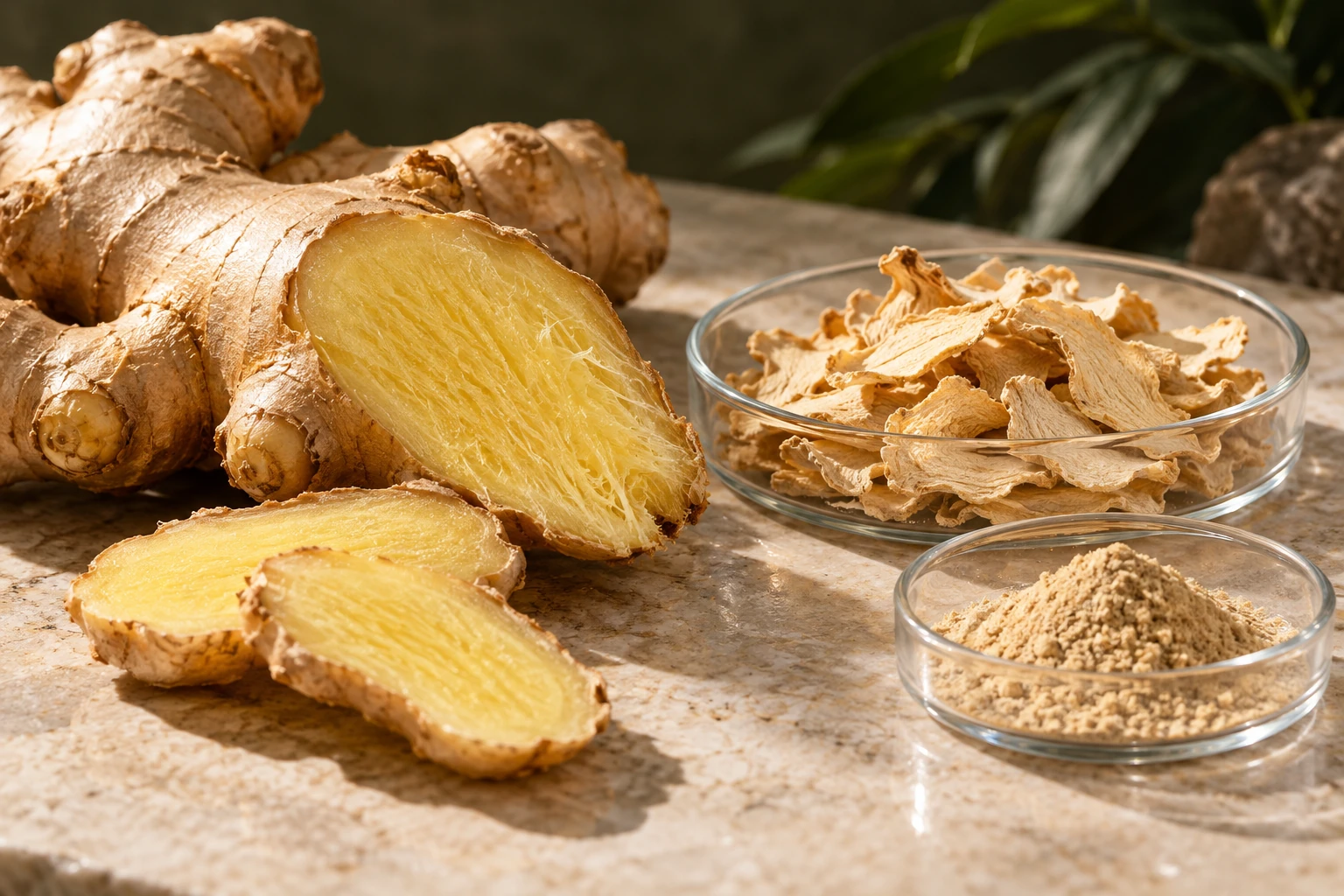
Illustrative scientific still life of cut ginger, dried ginger chips and an ingredient powder in laboratory glassware
Ginger koji · AI-generated editorial still life. Illustrative materials, not photographs of the studied preparation.

Cut into fresh ginger and its character is immediate: a bright aroma, a fibrous golden interior and a distinctive pungency. In the kitchen, those qualities are familiar. In ingredient development, they invite a further question: what happens when the plant becomes a substrate for fermentation?

Ginger koji brings that question into focus. It connects a recognisable botanical with a controlled biological process. The resulting ingredient has a story that extends beyond its plant name, through the way it is prepared, analysed and studied.

GINGER KOJI / A PROCESS MAP

A botanical becomes a fermentation substrate

  1. Ginger chips

    The plant material provides the solid substrate for cultivation.

  2. Koji cultivation

    Aspergillus oryzae grows on the prepared ginger under controlled conditions.

  3. Prepared powder

    Drying and milling yield a material whose composition and enzyme activity can be assessed.

A simplified process diagram based on the reviewed ingredient presentation and the published description of solid-state fermentation. It is not a time, temperature or yield specification. Published ginger-koji research
STUDY DESIGN / KOBE COLLEGE

What the warmth experiment actually measured

  1. 5 women

    A small crossover experiment

    Yukina Kawabata, Misato Kanaoka and colleagues; Department of Biosphere Sciences, Kobe College, with industry coauthors. Published in 2013.

  2. 500 mg

    A single experimental serving

    Ginger koji, ginger powder and cellulose placebo were evaluated on separate study occasions.

  3. 20°C · 1 min

    A controlled hand-cooling challenge

    Cooling began 20 minutes after intake. Researchers followed recovery of hand skin temperature.

Study-design visual, not a graph of temperature results. Five participants and a short-term peripheral measurement make this an exploratory observation. Authors, protocol and abstract

A culture working on ginger

In the preparation described in published research, Aspergillus oryzae grows on ginger chips through solid-state fermentation. The ginger itself is the substrate. This distinguishes the studied ingredient from a kitchen seasoning made by blending ginger with rice koji.

The ingredient presentation reviewed by Yotsuba follows a sequence of water absorption, heat treatment, cooling, koji cultivation, drying, milling and sieving. Each stage contributes to the identity of the finished powder. Fermentation is a process with defined conditions, rather than a single specification shared by every fermented food.

From pungency to a chemical profile

Gingerols and shogaols are among the compounds that give ginger its pungent character. Their balance can change during processing. A controlled food-science study comparing heating conditions found that temperature, time, moisture and the form of the starting material all influenced conversion of gingerols to shogaols.

The ginger-koji documentation also describes a changed pungent-component profile after processing. Reading that result well means considering the whole preparation, including its heating and drying steps alongside cultivation. A higher concentration of one component describes composition; its significance for human health requires a separate investigation.

The enzyme dimension

The technical presentation reports alpha-amylase and protease activity in the ginger-koji powder. Alpha-amylase acts on starch; proteases act on proteins. These measurements add an enzymatic dimension to the botanical profile.

One experiment in the presentation combined the powder with milk protein in simulated gastric fluid and measured released amino acids. This is a useful way to investigate protein breakdown under defined laboratory conditions. It does not directly measure nutrient absorption in people, nor does it establish improved digestion from a finished capsule.

Fermented also describes how a material was made. It does not, by itself, tell us that a product contains live probiotic microorganisms. Culture viability and retained enzyme activity are different properties, each requiring its own specification.

A small study of warmth

A 2013 double-blind, placebo-controlled crossover study examined five young women with cold-sensitive fingertips. It compared a single 500 mg serving of ginger koji with ginger powder and cellulose placebo. After a brief hand-cooling challenge, researchers followed skin-temperature recovery. They reported higher recovery with ginger koji than with placebo; a separate condition also examined a milk-protein drink.

This is an interesting early human observation, with a narrow outcome and a very small sample. It measures short-term peripheral skin-temperature recovery, rather than lasting changes in core body temperature, circulation disorders or weight loss. It does not establish that every fermented ginger preparation produces the same result.

The place of ginger koji in a formula

Within the Yotsuba collection, ginger koji appears in Fermented Ginseng alongside fermented Panax ginseng extract and fermented black garlic. These are distinct ingredients brought together in one composition. Ginger koji is not another name for fermented ginseng, and ginger oil belongs to a different ingredient category.

The published experiment used 500 mg of the studied ginger-koji preparation. Our complete formula has its own serving composition and has not been evaluated in that experiment. The product page lets readers examine those details in context, with the full ingredient declaration.

Follow the ingredient, then the formula

Ginger koji offers a precise way into the wider subject of fermentation. Begin with the source material, follow the production process and look at what was measured in the resulting ingredient. Then consider how that ingredient fits within a complete product.

Our Fermented Ingredients collection brings together other materials shaped by fermentation. Each ingredient opens a route to the Yotsuba products that contain it, so readers can explore the connection between raw-material craft and formulation at their own pace.

THE YOTSUBA COLLECTION

Discover the formula containing ginger koji, or follow the wider collection from fermented ingredients to the products that use them.

Explore Fermented Ingredients

Ingredient process and enzyme context: technical presentation reviewed by Yotsuba Japan. The linked human study concerns a particular raw material and experimental dose, not the complete Yotsuba formula. The reported 500 mg is study context, not a product-use recommendation.

END OF ARTICLE